
Get in, we're going to Silvio's place
The honor (and limits) of protecting your own little, leafy corner

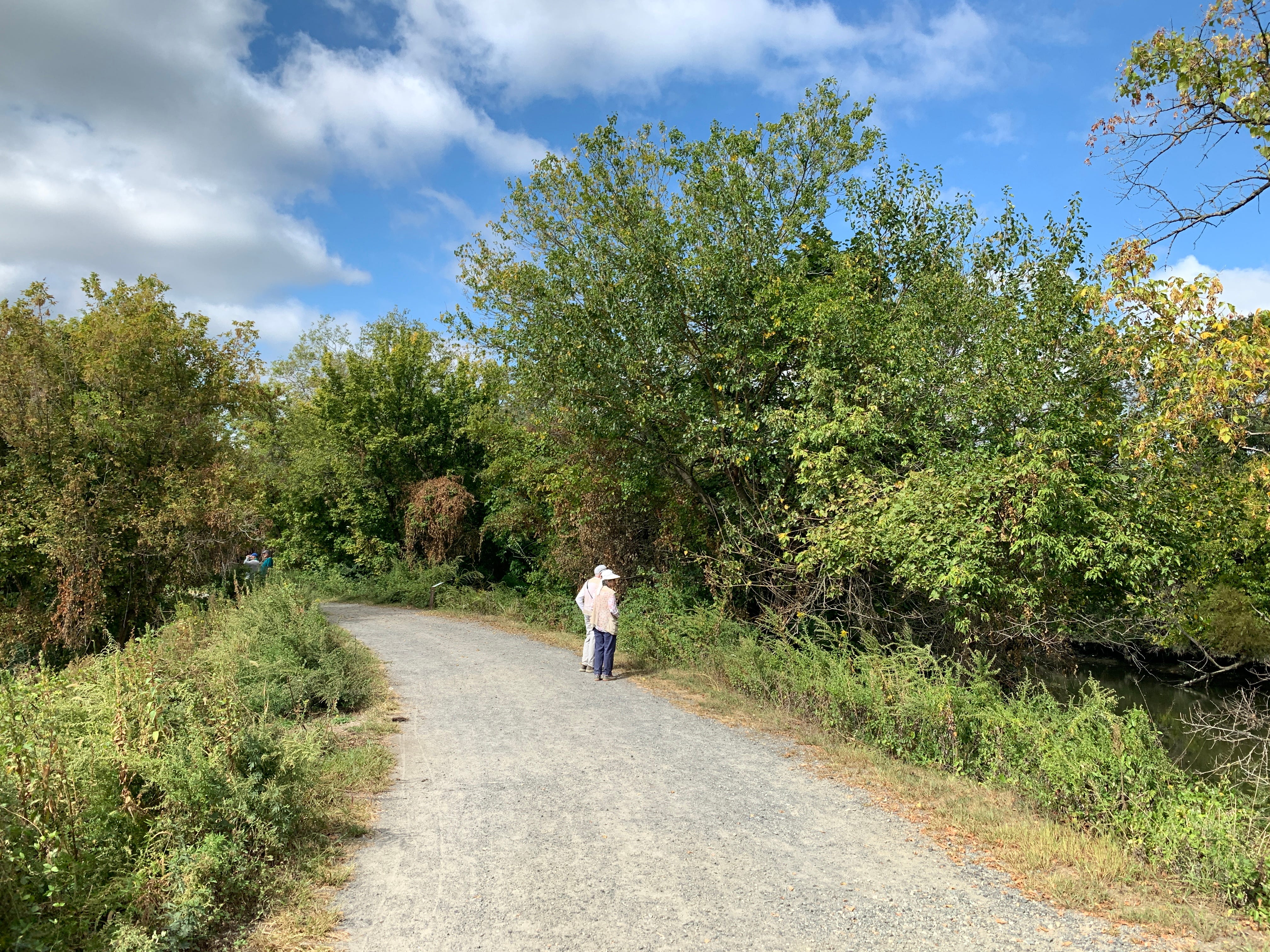
Spend enough time outdoors in any region and you’ll get to know a few high profile locals without ever crossing their paths. A few years back, when my friend and current housemate Katie was living in Western Massachusetts, I would visit her often and we would search for local venues with gnarled trees and bristling tallgrasses for taking a walk-and-talk. One day, near the town of Hadley, we found ourselves walking along a boardwalk through a viney wetland known as the Silvio O. Conte National Fish and Wildlife Refuge. I assumed the place was named after some guy who had nursed a blue heron back to health in his barn, or donated a giant parcel of land to the state. And then, once Katie and I headed back to her house, I forgot about Silvio O. Conte.
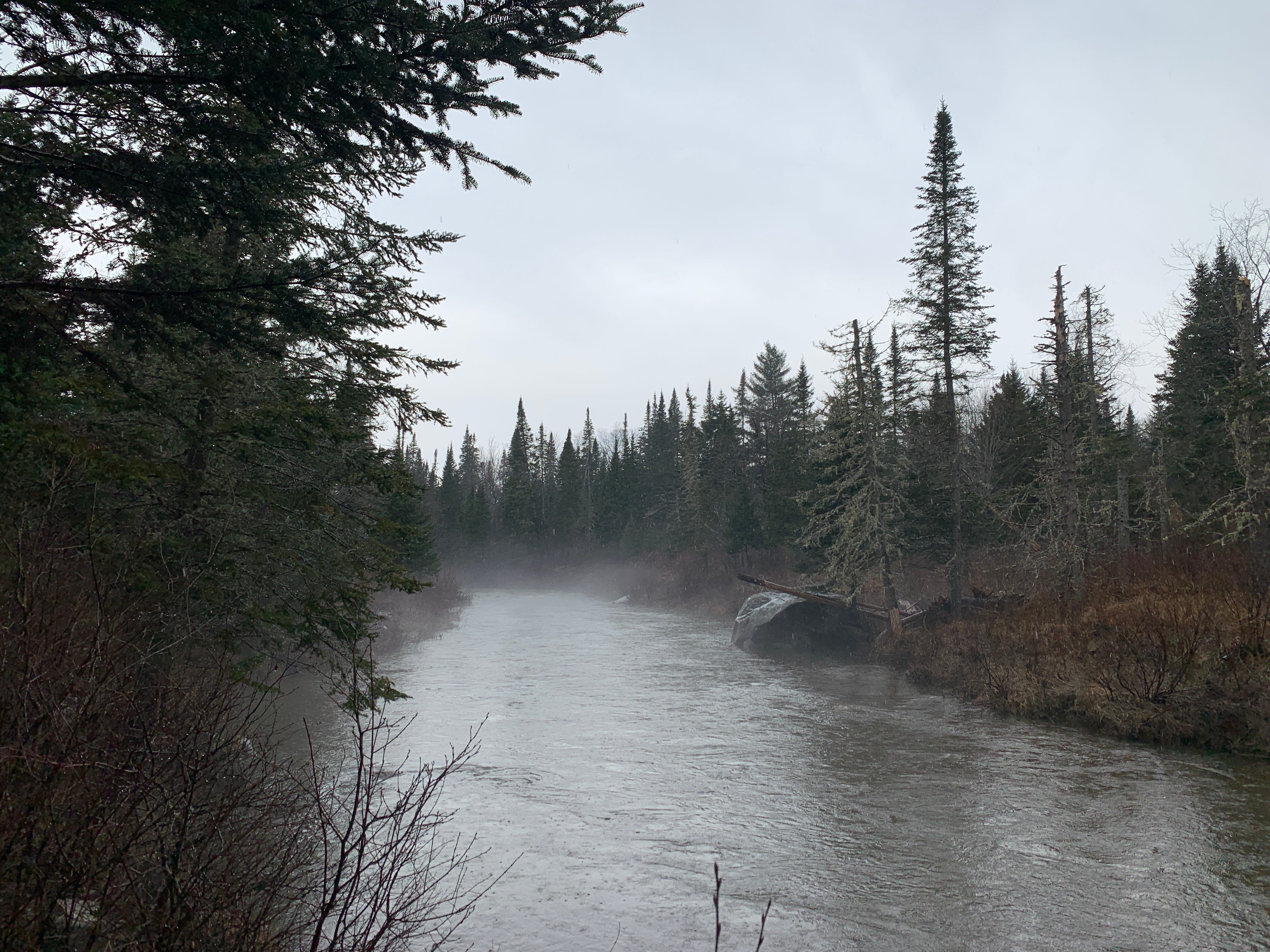
Until nine months later in Vermont’s Northeast Kingdom, where I bumped into him again. My friend Adam and I were up there for a spritzing weekend in mid-May and we were searching for a place to go for a muddy ramble. Having bought a house up there, Adam was tapped into the local landscape and suggested a boreal woodland near Island Pond, where we could follow the North Branch of the Nulhegan River. A quick look at the map brought on a sense of Deja Vu. Because this enormous green splotch was also labeled “Silvio O. Conte National Fish and Wildlife Refuge.” Again, I presumed a massive, cross-regional land transfer from someone with seriously deep pockets. But just a couple weeks later, while driving through the White Mountains in New Hampshire, I decided to take a quick walk into the Pondicherry Wildlife Refuge to visit Cherry Pond; a gorgeous, watery mirror for the Northern Presidential Range. And when I got to the parking lot, I noticed something on a sign that had eluded me on prior visits. While informally known as the Pondicherry Wildlife Refuge, this parcel is the Pondicherry “division” of the Silvio O. Conte National Fish and Wildlife Refuge.
What on earth is going on here? I wondered. And who the fuck is Silvio O. Conte?
The short version is that he was a Massachusetts Republican who served in the U.S. House of Representatives for 16 terms between 1958 and 1991—when he died from prostate cancer and was buried in his hometown of Pittsfield, Mass. But Conte was also an avid fisherman who spent a lot of time in the wetlands and shallows that make up the Conneticut River Watershed. This 7.2 million-acre zone covers the full length of the river from its humble origin on the New Hampshire-Canada border to its terminus at Long Island Sound. It’s a vast stopover point for migratory birds and fish (including salmon!), and its habitats cover everything from northern forests to salt marshes. But during Conte’s years in Congress, the Connecticut River was suffering from decades of damming and industrial pollution. This inspired Conte to introduce federal legislation that would establish a series of protected refuges throughout the gigantic watershed.
Like many bills, it stalled and languished for years. But not long after Conte’s death, as public awareness of environmental desecration expanded, Congressional leaders saw a dualfold opportunity. By dusting off Conte’s wildlife refuge bill, they could do some good for the regional environment and offer a belated tribute to their old colleague; kind of like the way that Academy voters will literally wait for decades to give Oscars to cinematic trailblazers such as Martin Scorsese. (Getting passed over for Taxi Driver and Raging Bull is still unbelievable to me.) And so, in 1997, Congress and the Clinton administration formally minted the Silvio O. Conte National Fish and Wildlife Refuge. The refuge includes 17 pieces of land in Connecticut, Massachusetts, Vermont, and New Hampshire, and several of them offer gentle, groomed footpaths for visitors.
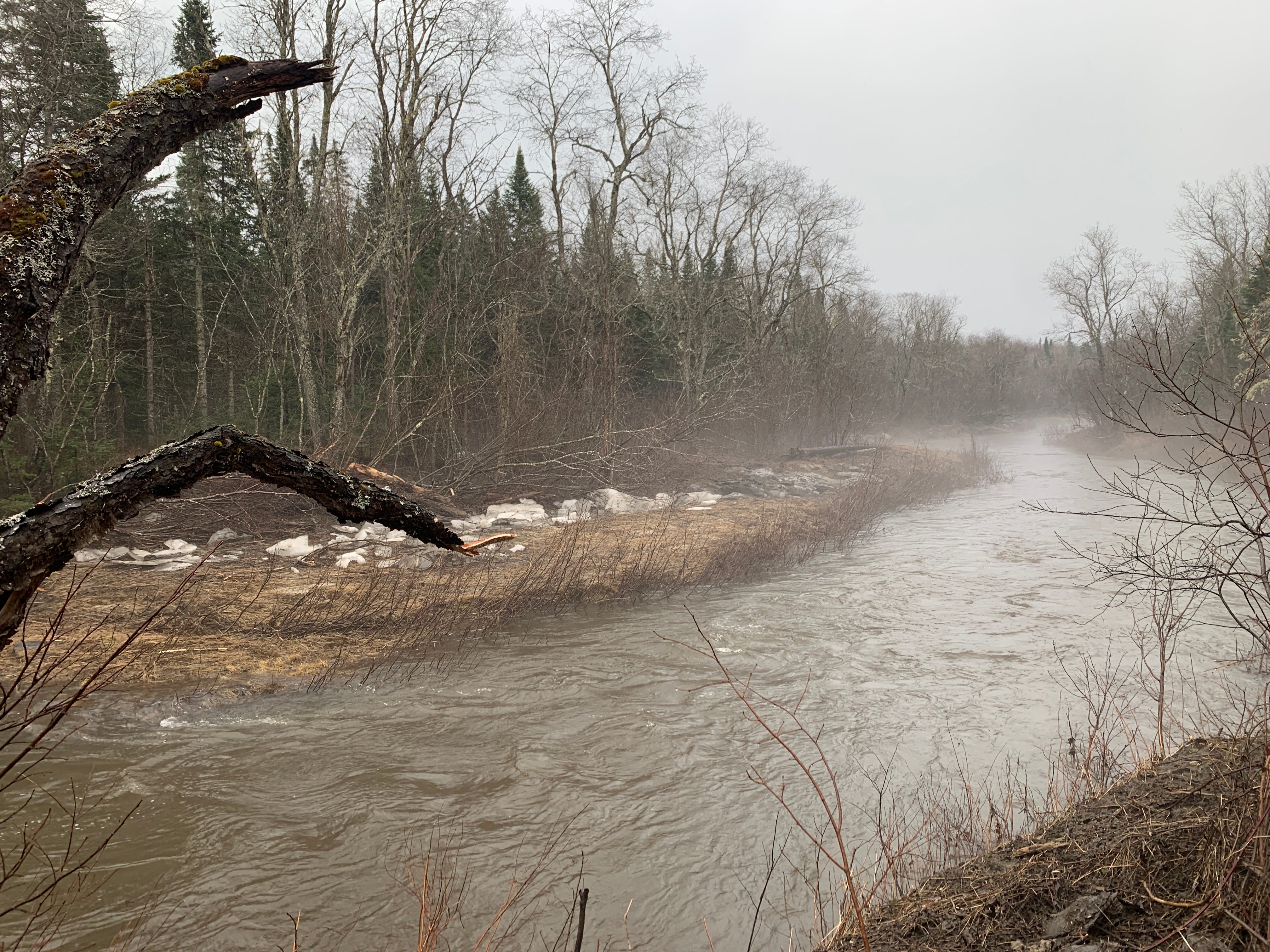
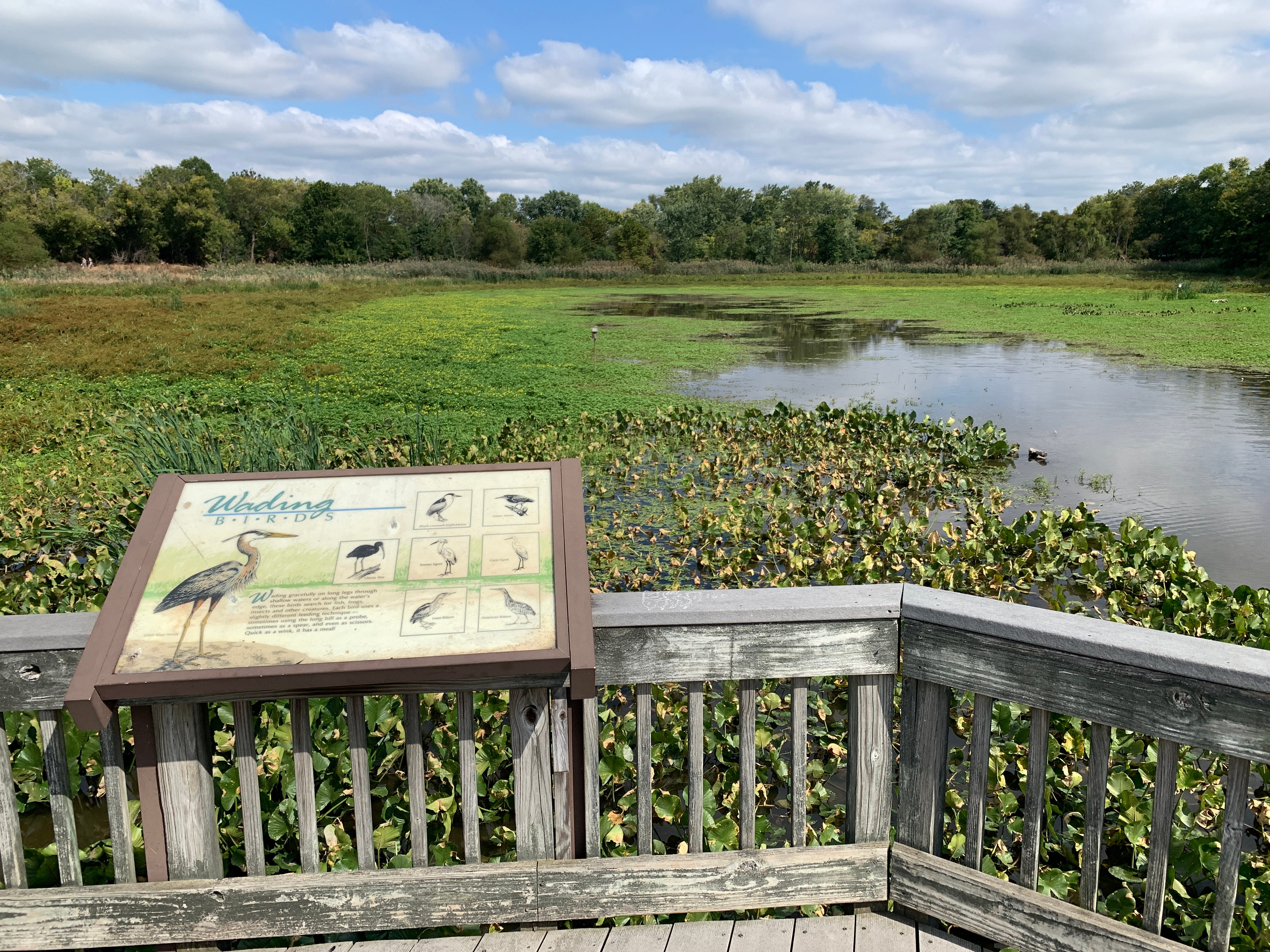
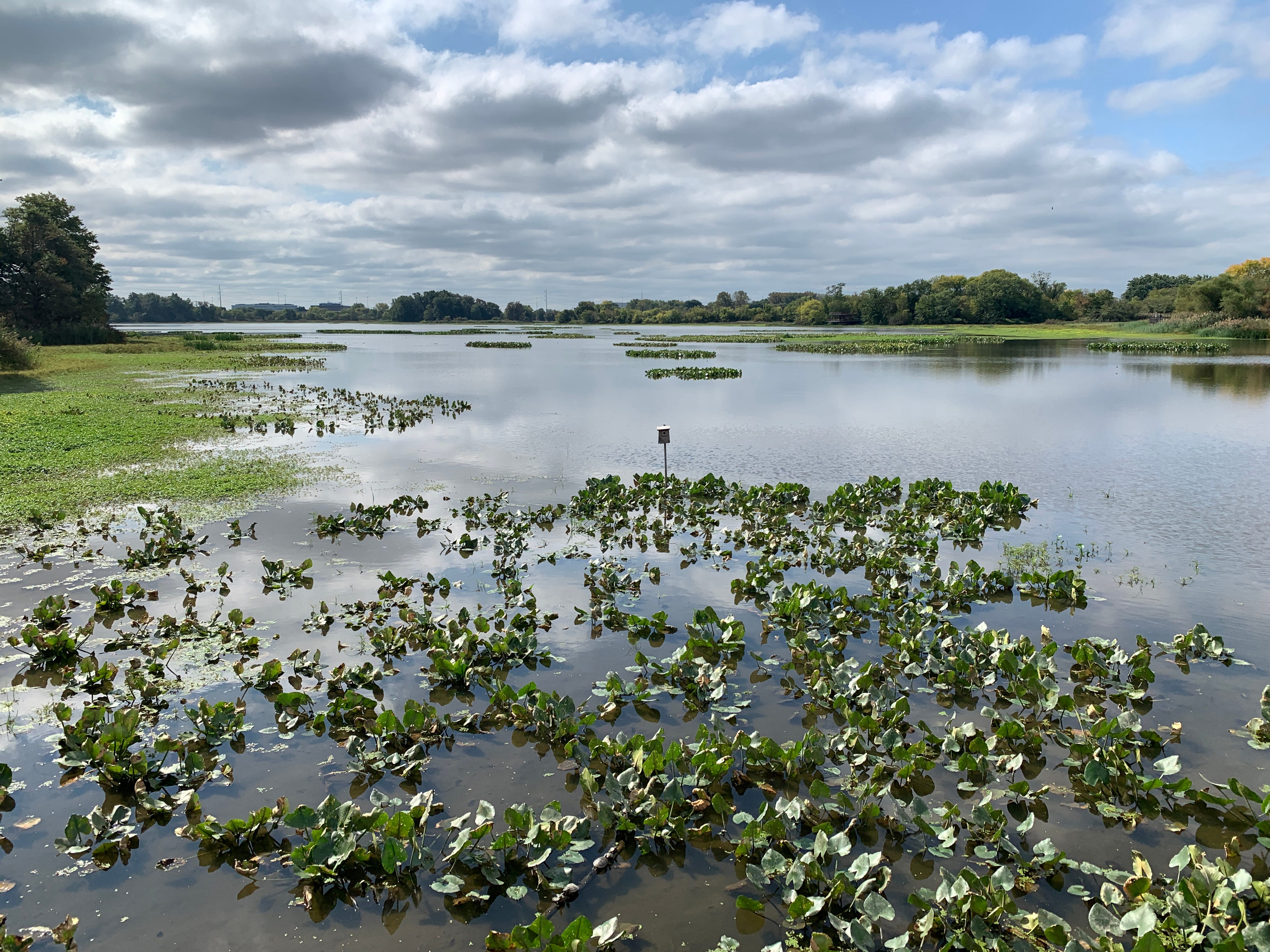
Of all the possible ways to leverage a seat in the House or the Senate, protecting your favorite fishing and birding territory is a worthier cause than others; especially if the mechanism of protection yields trails and infrastructure, thereby making it easier for the public to enjoy the territory. When Adam and I squelched through the woods of the Nulhegan Basin division of the Silvio O. Conte refuge, chasing the North Branch of the Nulhegan River and watching its mists shroud the pine trees, I was reminded of another federal wildlife sanctuary in a very different part of America. A couple years back, while visiting Philadelphia, I spent a hazy afternoon perambulating the marshes at the John Heinz National Wildlife Refuge at Tilicum, which is located next to the airport yet somehow acoustically protected from the planes taking off and landing. I did a little post-hike digging into the story of John Heinz, an heir to the Heinz fortune who left the family business to serve in both the House and Senate during the 1970s and 80s. Like Conte, he was a moderate Republican who didn’t fully buy into Ronald Reagan’s vision for a government small enough to drown in a bathtub. Heinz was an outdoor enthusiast and a conservationist who saw federal land protections as a vital intervention, in a country ruled by industry and wealth. The Philly refuge, established in 1972 to protect the city’s last tidal marsh, was a project long-championed by Heinz.
And in 1991—the same year of Conte’s passing—the marsh was re-named after Heinz.
I suppose this is how most of us become a conservation advocate. We fall in love with a green space in our orbit, we come to see how that green space is vulnerable, and we act on the human instinct to protect it. But when I look back on the advocacy of Silvio O. Conte and John Heinz today, from the scorched earth vantage point of America in 2026, I find myself someplace between respect and sadness. Both men recognized the inevitable consequences if industry had been allowed to run rampant across America’s landscape. Their conservation projects were a reflection of that prescience. But rather than question whether the power of industry itself—and the wealth behind it—should be reined in, Conte and Heinz decided to protect their own corners of the landscape from extraction and desecration. Don’t get me wrong; I’m grateful that both of them took these proactive steps to establish some of the most beautiful wild oases in the northeast. I just wonder where we might have found ourseles today, in an alternative universe, if more moderate Republicans and conservative Democrats looked at wealth and industry not as godlike forces, but as powers that a government can regulate too.
In any event, connecting those dots seems to be the generational task bequeathed to those of us who are alive today, as the Trump administration and the Republican Party strip environmental protections away from places like Minnesota’s Boundary Waters. If this week’s newsletter inspires some of you to explore the woods and waters of Silvio O. Conte’s rustling divisions, or the boardwalks and birding towers at the John Heinz refuge, or any green space named for a politician who devoted themselves to keeping it green, think about why these environmental protections are so urgently needed. Or what the United States might look like if protecting the great outdoors from industry and wealth wasn’t such a steep, uphill battle. I hope we live long enough to find out.
CLICK HERE for a map of the Silvio O. Conte refuge in Hadley (MA)
CLICK HERE for a map of the Silvio O. Conte refuge on the Nulhegan River (VT)
CLICK HERE for a map of the Silvio O. Conte refuge at Cherry Pond (NH)
CLICK HERE for a map of the John Heinz National Wildlife Refuge at Tilicum (PA)
Great story and beautiful photos. Thank you!