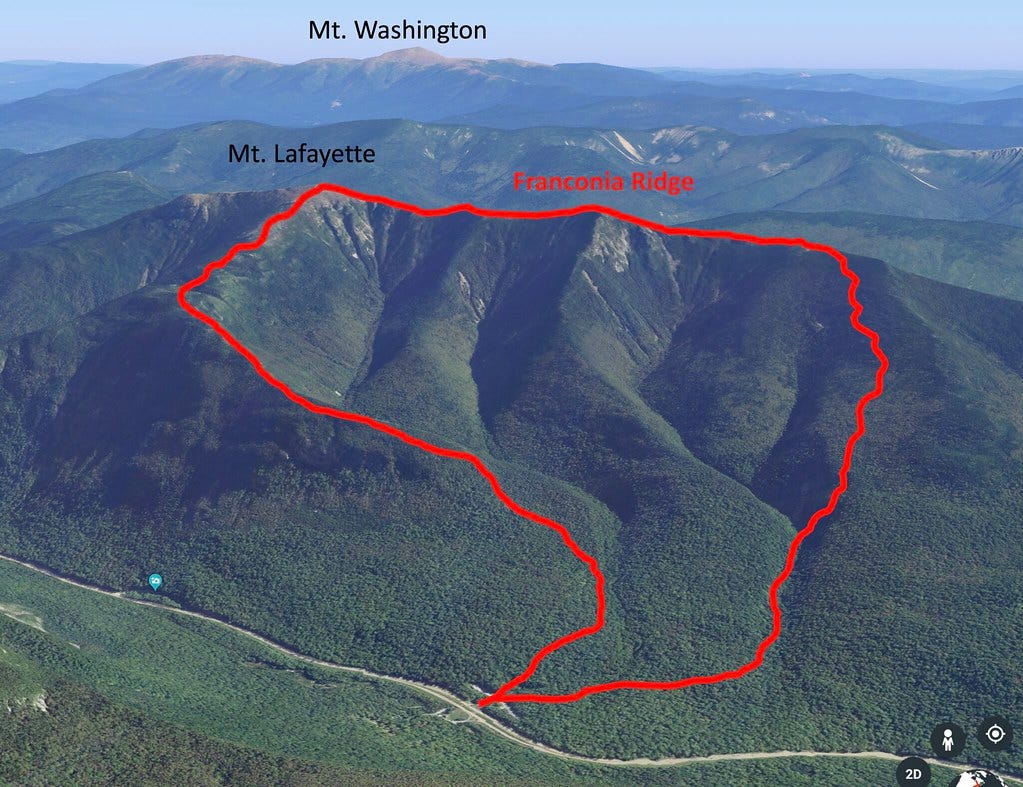
Last Friday, at around 3:30 PM, four hikers embarked on one of the most iconic yet punishing hikes in New Hampshire—the Franconia Ridge loop, which visits multiple peaks that loom over Franconia Notch. Clocking in at just under 9 miles, with nearly 4,000 feet of steep, stony climbing, the Franconia Ridge loop is a disaster waiting to happen. The trailhead is located right next to one of the busiest throughways in the northeast, Interstate 93, which makes it very easy for visitors to tack the hike onto a regional day trip, as though it were a roadside waterfall. I don’t know if this is what those four hikers were thinking when they started scaling the first mountain in late afternoon, but by the time New Hampshire Fish and Game received a phone call from the hiking party at 8:48 PM, it was clear that the four friends were in over their heads. They had no lights nor sufficient warm clothing, and they were low on food and water.
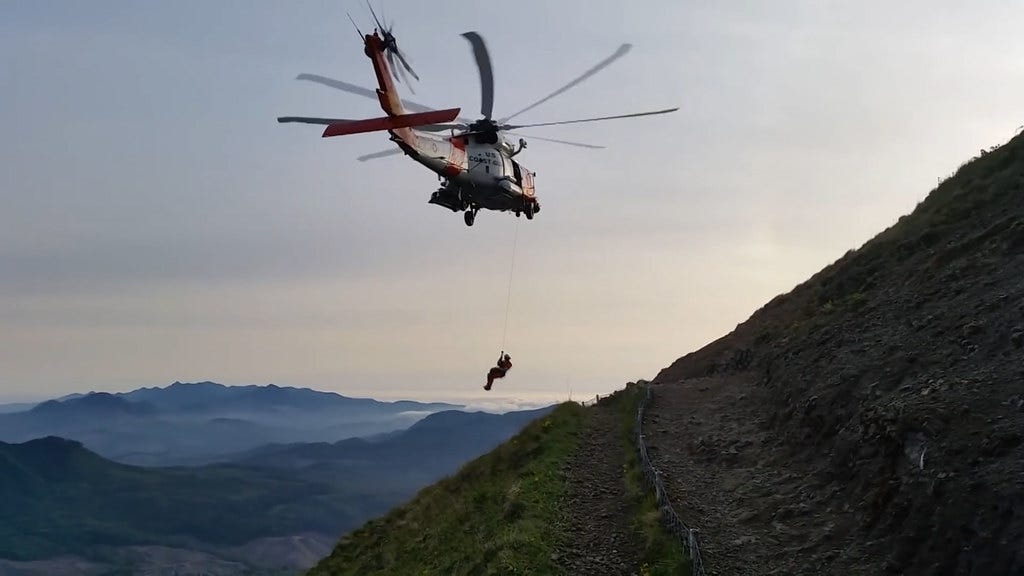
Fish and Game officers were sent out. After a long climb, they located the hikers near the summit of Mount Lincoln at 1:15 AM. The officers guided the four down the rest of the loop trail, back to the parking lot. In most states and in many other countries with popular hiking trails, this would have been the end of the ordeal for all involved. But unfortunately for these four hikers, New Hampshire is the only state in the U.S. that regularly bills people for the cost of rescues, IF rescue authorities conclude that negligence led to the emergency. For an individual hiker, that bill could be as high as $10,000. For a group of unprepared hikers, the math is hazier and less publicly known.
Whenever this happens—usually around 17 times each year—a familiar media cycle begins. The story makes regional and sometimes even national news, and then it percolates through online forums for outdoor recreation such as Facebook groups and subreddits, where most people tend to be less than sympathetic to the hikers stuck with rescue costs. “That’s the price of being stupid,” and “They should have doubled the bill!” are common refrains I’ve read in these forums. Then, once the outrage has quieted down, we move on and get back to planning our next hikes.
Speaking as a hiker and as a former search-and-rescue (SAR) volunteer with some pretty gnarly experience in the White Mountains (like a skull fracture hemorrhage that led to a helicopter evacuation), I have issues with New Hampshire’s policy of billing negilgent hikers for the cost of rescues. While the vast majority of SAR operations in New Hampshires don’t lead to hikers getting saddled with four figure bills, the small handful of cases that do end with a bill are high profile enough to make waves in the outdoors community. When a lot of people learn about the New Hampshire billing precedent for the first time, the natural question they ask is, “How exactly does the state define acting with negligence, or being dangerously underprepared for a hike?”
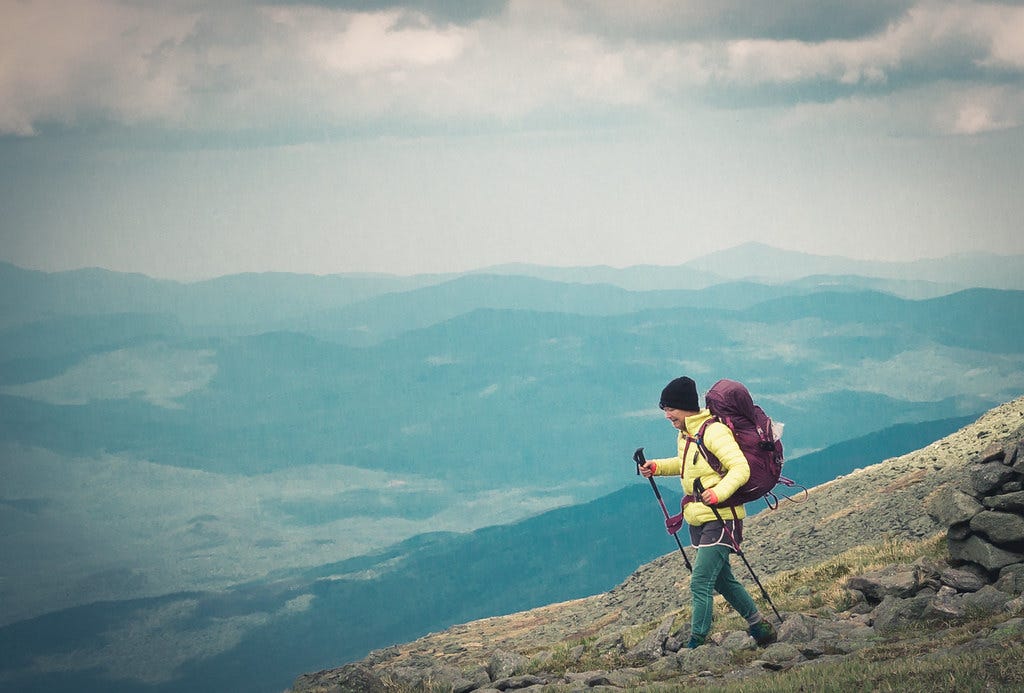
The answer to that question is pretty much at the discretion of the rescue authorities dealing with an individual case. While it’s always a good idea to set off into the wild with the so-called 10 Essentials promoted by the National Park Service, there is no public-facing list of gear that hikers are required to carry with them on hikes in New Hampshire. The hour at which hikers embark on their adventures—or the weather conditions at the time—aren’t reliable measuring sticks for prudence or negligence either. Plenty of New Hampshire residents and visitors take difficult hikes near dusk or long after dark; sometimes during inclement weather conditions. The recent case of the four hikers on the Franconia Ridgeline is a pretty clear slam dunk for the state, given that the hikers didn’t have the proper gear for a nocturnal high altitude hike.
But let’s say you were descending a mountain around sundown, on a spritzing day in early summer, and you slipped on a wet tree root and tumbled down some rocks. You can tell that something is sprained or broken, and you’re definitely not going to be able to finish the hike without some assistance. The first thing on your mind, ideally, should be calling for help; whether it’s whipping out your cell phone or sending an SOS down the trail with a passing hiker. But because you’re in a state where the cost of the rescue might be on you, a different set of thoughts runs through your mind.
Did I remember to pack an extra warm layer and headlamp batteries?
If I forgot, is that going to come back and bite me when Fish and Game gets here?
Will my level of preparedness be graded harder due to the rainy weather and late hour?
Is calling for help going to cost me thousands of dollars?
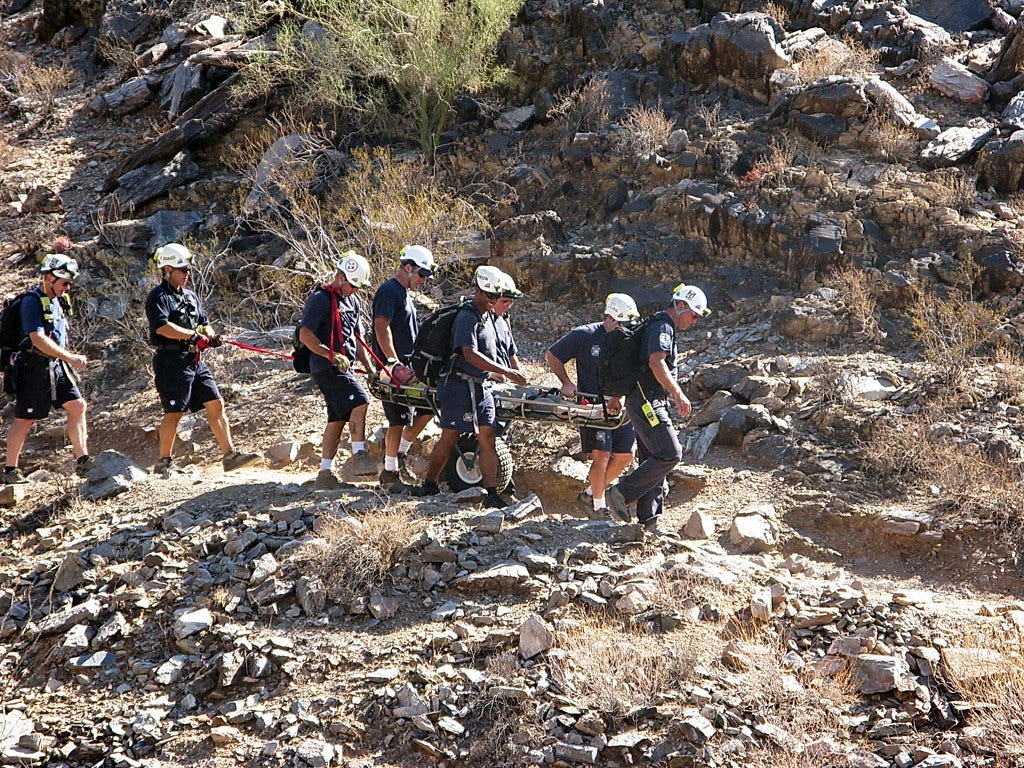
The precedented sting of getting billed for a rescue, and the lack of clarity on how the state reaches such determinations, creates a climate of uncertainty and fear that could dissuade someone who needs help from seeking it. This has the undesireable effect of making the outdoors more dangerous for hikers, regardless of their experience levels, and I think it’s easily the worst aspect of forcing negligent hikers to pony up for their rescues. While New Hampshire does offer appear something of an insurance policy to hikers—$25 NH hikeSafe cards—the language behind the cards is contradictory. The basic gist is that if you carry a valid NH hikeSafe card, you’re not liable for emergency response fees…unless you are found to have been hiking negligently or unprepared.
The real utility of the NH hikeSafe cards, as far as I can tell, is to raise proceeds for the state’s rescue budget—which is important, given that New Hampshire has no income tax—and to prompt more hikers to stop and think for a moment before setting off on their next rambles. According to the state, the total revenue from NH hikeSafe cards is starting to outpace annual search-and-rescue costs. In 2025, the card sales generated $444,873, while rescue costs for the year totaled $250,817. This would appear to be a successful, sustainable method for keeping the rescue fund replenished. So why is the state continuing to selectively bill hikers for the cost of getting rescued from the wild?
One of the oldest debates of human history is whether you can compel people to act in certain ways by instilling fear of harsh punishments for behaving errantly. Research on this question in the field of criminology has broadly concluded that deterrence is not an effective way to reduce crime. (What does tend to work is creating perception that if you commit a crime, you will be caught by the cops.) Deterrence doesn’t really appear to be working that well in New Hampshire’s state parks and wilderness areas either. Each year yields new, high-profile stories of unprepared hikers getting charged for rescue costs, and the frequency of SARs in general keeps climbing. This points to one of the most profound forces behind the trend; which is also the reason why New Hampshire’s rescue billing policy is something that we need to talk be talking about.
In the last decade, there have been several studies on whether social media apps are getting more backcountry hikers into dangerous situations. The most recent research, from the University of California, Irvine, found that a strong link between treacherous outdoor scenarios and the digital platforms that hikers use to share or find their next adventures. The glimpses of iconic outdoor landmarks that millions are bombarded with on Instagram, Tiktok, and Facebook tend to oversell the scenic zest while leaving out important information about trail conditions or packing suggestions. Even some of the outdoor-flavored apps that hikers turn to for maps and trail guidance have a version of this problem too; reeling users in with sexy sneak peaks of hikes like the Franconia Ridge, while glossing over the elemental hazards involved with these hikes.

In other words, the problem with spiraling search-and-rescue rates in New Hampshire and pretty much all states is first and foremost a communication problem. More and more hikers are hitting the trails with insufficient information, and this is an issue that will probably get worse in the near future—posing procedural and fiscal challenges for more states with well-trafficked hiking trails. The question that spooks me, as we look at the most recent high-profile example of New Hampshire charging hikers for the cost of a rescue, is whether more states might start doing this in the years ahead.
Remember: New Hampshire is the only state that bills wayward hikers semi-regularly, but it’s not the only state that can. Maine, Colorado, Oregon, and Hawaii are just a few of the states that have existing but rarely-enforced statues that allow for hikers to be billed for rescue costs. Right now, states like these are looking at potential resource crunches, as the rescue calls keep coming in. They’re not going to get help from the Trump administration, and some states have more revenue streams than others. Pair this economic reality with the debunked yet zombified idea that you can scare people into compliance with draconian punishments, and the odds of more states charging hikers for getting rescues is growing. We do not want this to become our new normal.
The ground reality—and, I suspect, the reason why most states and countries don’t stick hikers with rescue bills—is that all of us are capable of making a mistake outside. It could be forgetting a few important items while packing, clinging to a hiking plan on a day with questionable weather, or venturing off trail a few yards to get a closer look at an unusual wildflower or a wandering critter. While some mistakes are bigger and more jaw-dropping than others (say…climbing a mountain without a jacket, in the middle of November), there is a cost to throwing the book at hikers who make these mistakes; a cost that hikers at large pay for. When the threat of punishment like this hangs over a region, it changes the atmosphere of that place. It changes the logic of calling for help when you get into trouble. It can almost feel like the erosion of some unspoken social contract. When I was working in New Hampshire and volunteering on search-and-rescue missions, I helped evacuate a few folks who had made objectively bad decisions. It had never once occurred to me to chew these people out. They were badly hurt, they needed some help, and that was the end of it, as far as I could see it.
Today, the situation in the outdoors is substantially different. SAR volunteers and Fish and Game officers are confronted with cases of underprepared hikers far more often. The digital firehose of shitty intel on trails and conditions, which lays the groundwork for more and more rescues each year, is largely unregulated and out of control. New Hampshire’s practice of billing hikers for rescues continues to trouble me, and yet, I can see why the state keeps doing this…and why other states may choose to follow.
So what can we do about this? To dig into that question, you’ll have to tune back into Mind The Moss in the next few weeks, for a conversation with an old colleague and buddy of mine who is on the frontlines of this issue—as a rescuer and an outdoor product designer with some really interesting thoughts on the digital information ecosystem, why it’s failing so many hikers, and how we might go about fixing this.
Until then, pack carefully, watch the skies, and also, watch your step.