
The Grand Canyon of NYC
Seeing “the great outdoors” in unlikely places

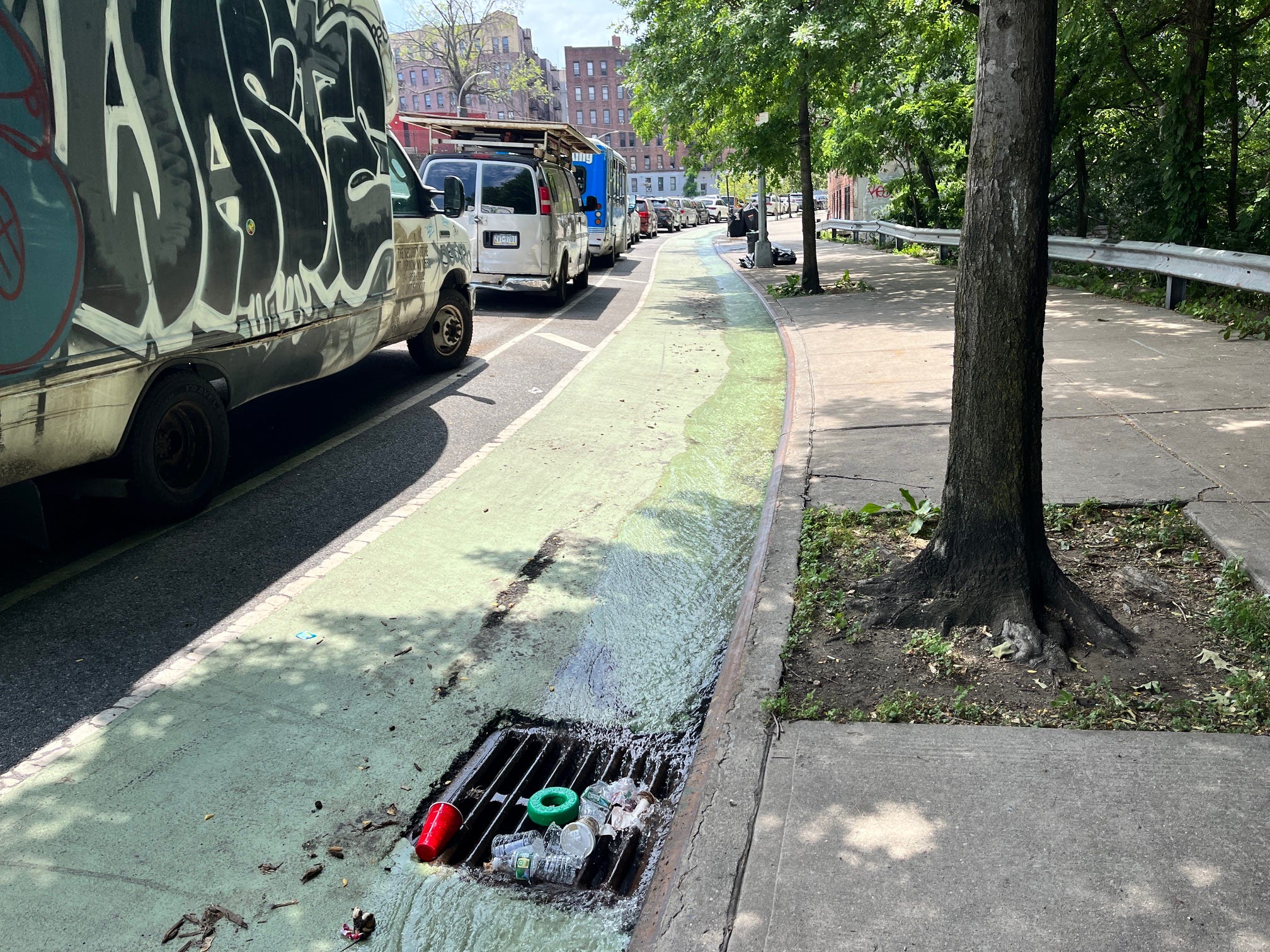
When desire reaches a certain height, it can distort the things we see around us. In the days leading up to my first colonoscopy (I had to start getting them a few years earlier than most people do), the bland preparatory diet had me hallucinating richer foods in all kinds of places. A basket of laundry in the basement reminded me of a big bowl of Tonkotsu ramen, with every topping on the menu. The full moon brought to mind the creamy innards of a king-sized Whoopie Pie. Maybe you’ve had an experience like this too; manifesting nourishment from your local environment. It can take on all manner of forms, depending on what you’re lusting after and what exactly you’re looking at.
This past weekend, for instance, I had to make a 48-hour trip down to New York City for work. The soaring air temperatures and hotel prices were a reminder that we’re entering the peak summer travel season; a fleeting window that millions devote to chasing the most superlative natural landmarks like Old Faithful or El Capitan. I have neither of patience nor the travel budget to compete with these golden hordes, which means that I’m often stuck seeking grandiose beauty in more understated places. And on my first night in NYC, I decided to slip into my toe socks and lean into this coping tendency. How? By taking an evening saunter to the Grand Canyon of New York City.
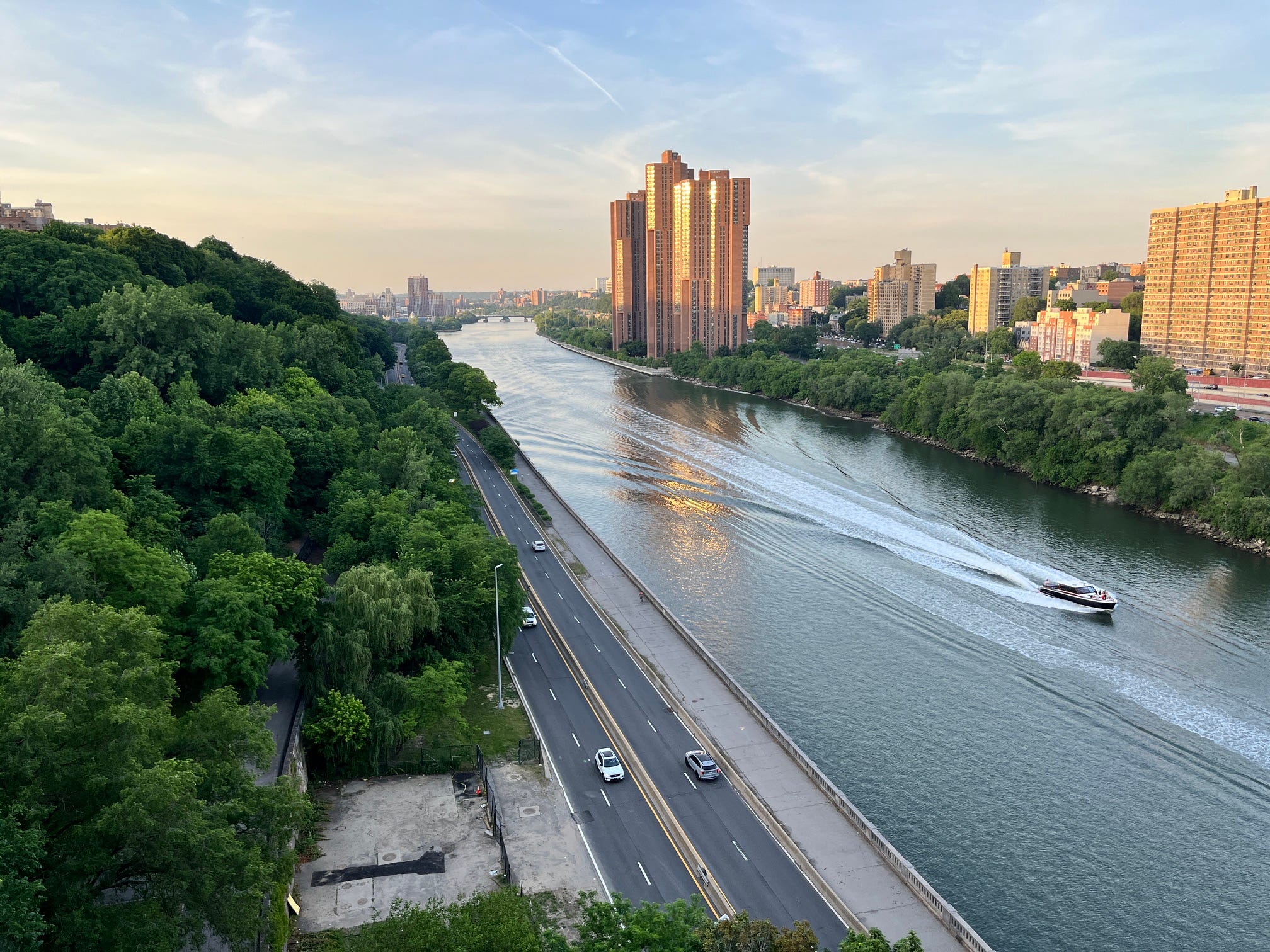
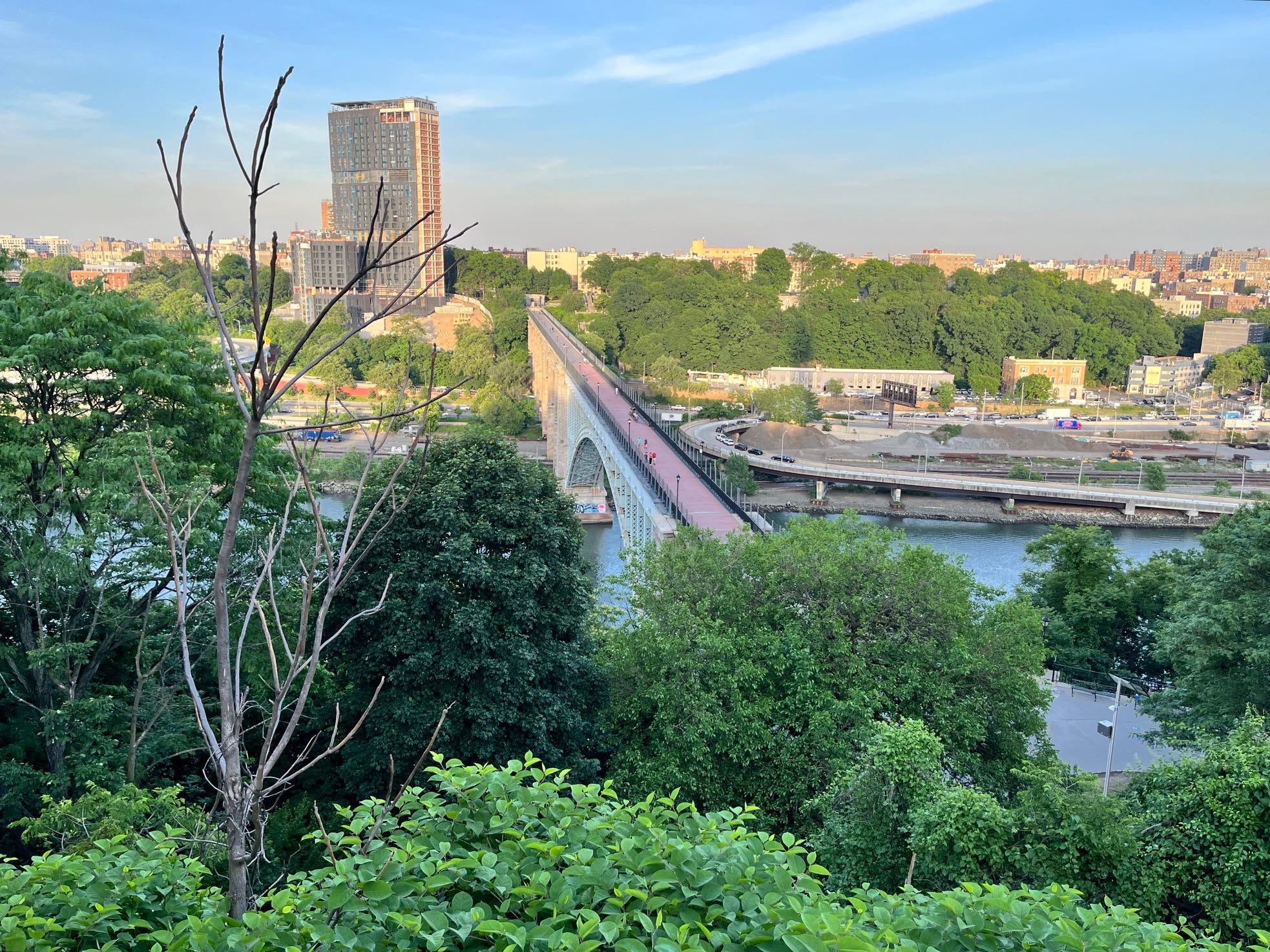
If you’ve spent any time north of Central Park, then you know how the topography of Upper Manhattan and the South Bronx can be startlingly angular. Contrary to the idea that Manhattan Island only has two surrounding rivers, there is a third, much smaller waterway—the Harlem River—that pinches off the northernmost tip of Manhattan from the mainland. And where the Harlem River flows around the northern waterfront of Manhattan, the land on both sides is steep and sometimes densely wooded. A few of you might have crossed over the Harlem River on the Washington Bridge, which is one of multiple arched bridges that span the width of this enormous cleft in the cityscape. I started thinking of that cleft as the Grand Canyon of New York City after crossing a different bridge located there, which is solely used by walkers and cyclists. And once you’ve taken in the Harlem River and its surrounding slopes from that bridge (we’ll get to it shortly), it’s tough to un-see this hidden natural landmark.
My hotel was just a few subway stops away from the 167th Street MTA station in The Bronx, which is a great place to begin a trek to the Grand Canyon. Because the station itself is just a couple blocks from the creaking trees and cacophonous ballfields of Rev. T. Wendell Foster Park and the so-called Joker Stairs. If you watched the film Joker and you lay eyes on this steep set of stairs—from the park’s corner up to Anderson Avenue—you’re probably going to imagine Joaquin Phoenix doing his deranged dance on the stairs, with that Gary Glitter song blaring in the background. Movies and TV shows that were filmed in real locations are a more literal means of visualizing something interesting in a more mundane environment. And it when we visit a place that we’ve seen depicted in a memorable film scene, it can be hard to wipe that memory as we take in the space in its natural state. Halfway up the stairs, I quietly cackled to myself.
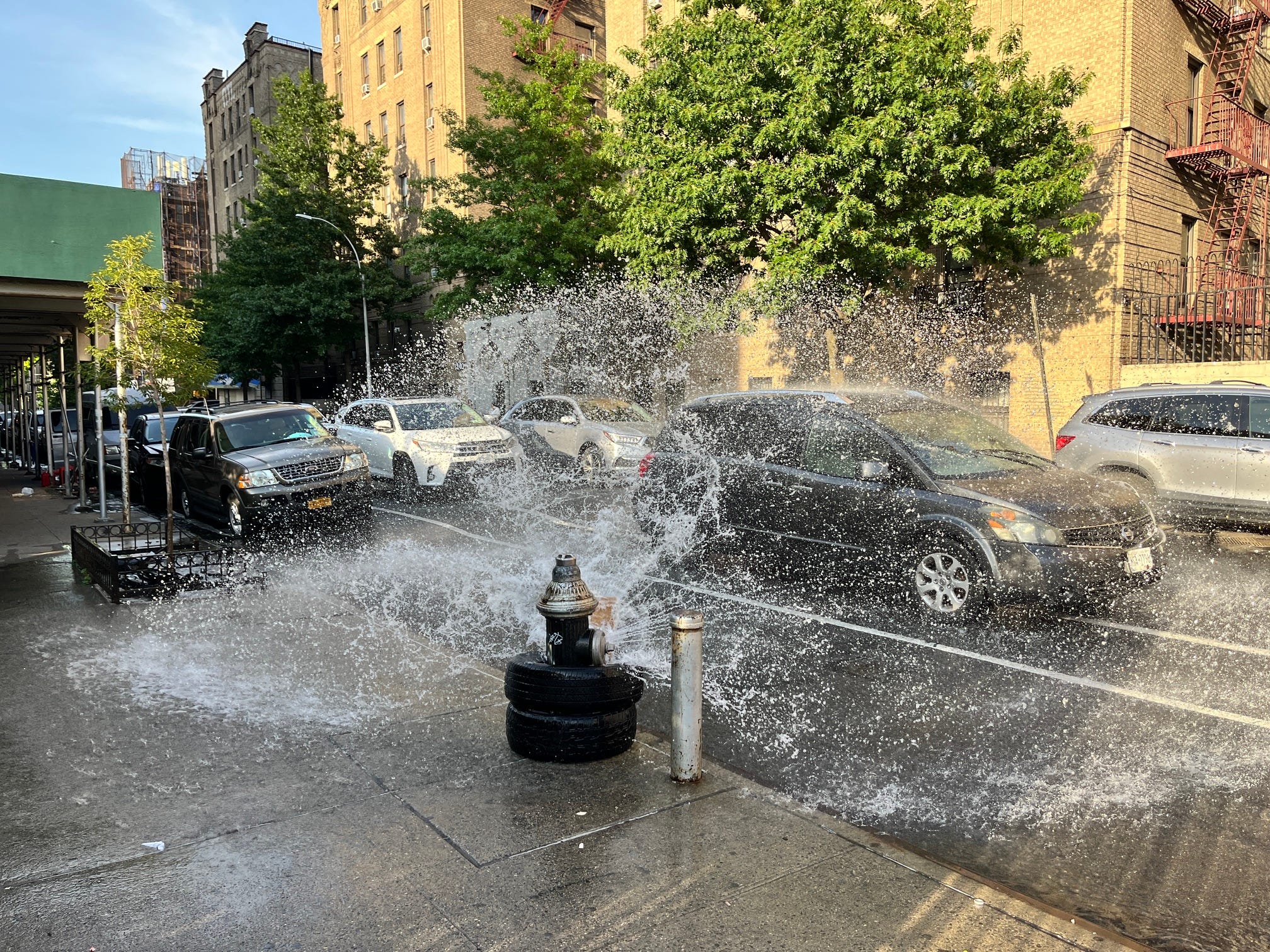
From the top, the walk to the Grand Canyon of New York City take about half an hour at a nice, leisurely pace. And up here, the roly-poly nature of the South Bronx is made much clearer by the visible slant of the streets. But on the evening of my urban hike, I encountered something else that made the borough feel wilder and more reminiscent of traditional hiking territory. As is often the case on scorching days in NYC, several of the fire hydrants I passed had been uncapped. Torrents of water sprayed and gushed into the streets, forming countless rivulets that rippled downhill, along the sidewalks. There are thousands of backcountry trails across the U.S. that involve walking beside similar streams, often with frequent crossings. And in a couple of spots, I found myself hopping over these hydrant-fed streams, to avoid soaking the only pair of shoes that I had brought on my trip. It was the same intention that’s often had me testing out the stability of exposed rocks on brooks in the mountains, before gingerly crossing them.
When I finally arrived at Merriam Avenue, the literal high point of my urban ramble to the Grand Canyon of NYC, I could feel a breath of wind coming through the trees of Merriam Playground—not unlike the gusts that can cool you down when emerge onto an exposed ridgeline after spending two hours slogging uphill through deciduous and boreal woods. From here, the grade of the hike is less punishing. A quick descent from the playground down some crumbly stone stairs and a right turn on University Avenue leads to the canyon’s gateway, Highbridge Park. This slopeside oasis on the Bronx side of the Harlem River is named for the car-free bridge that offers stunning views of the Grand Canyon in both directions. The High Bridge, which towers 140 feet above the river, is supported by a huge steel arch that was first welded-together in the mid-19th Century. The bridge was once part of the Croton Aqueduct, which carried water from the Croton River to the city (a 41-mile journey) until its closure in 1955. The woods on the Manhattan side of the High Bridge contain rustly trails that follow the old route of the Croton Aqueduct. But savoring the Harlem River and the “canyon walls” of Upper Manhattan and The Bronx from the bridge is about as ecstatic as walking here gets.
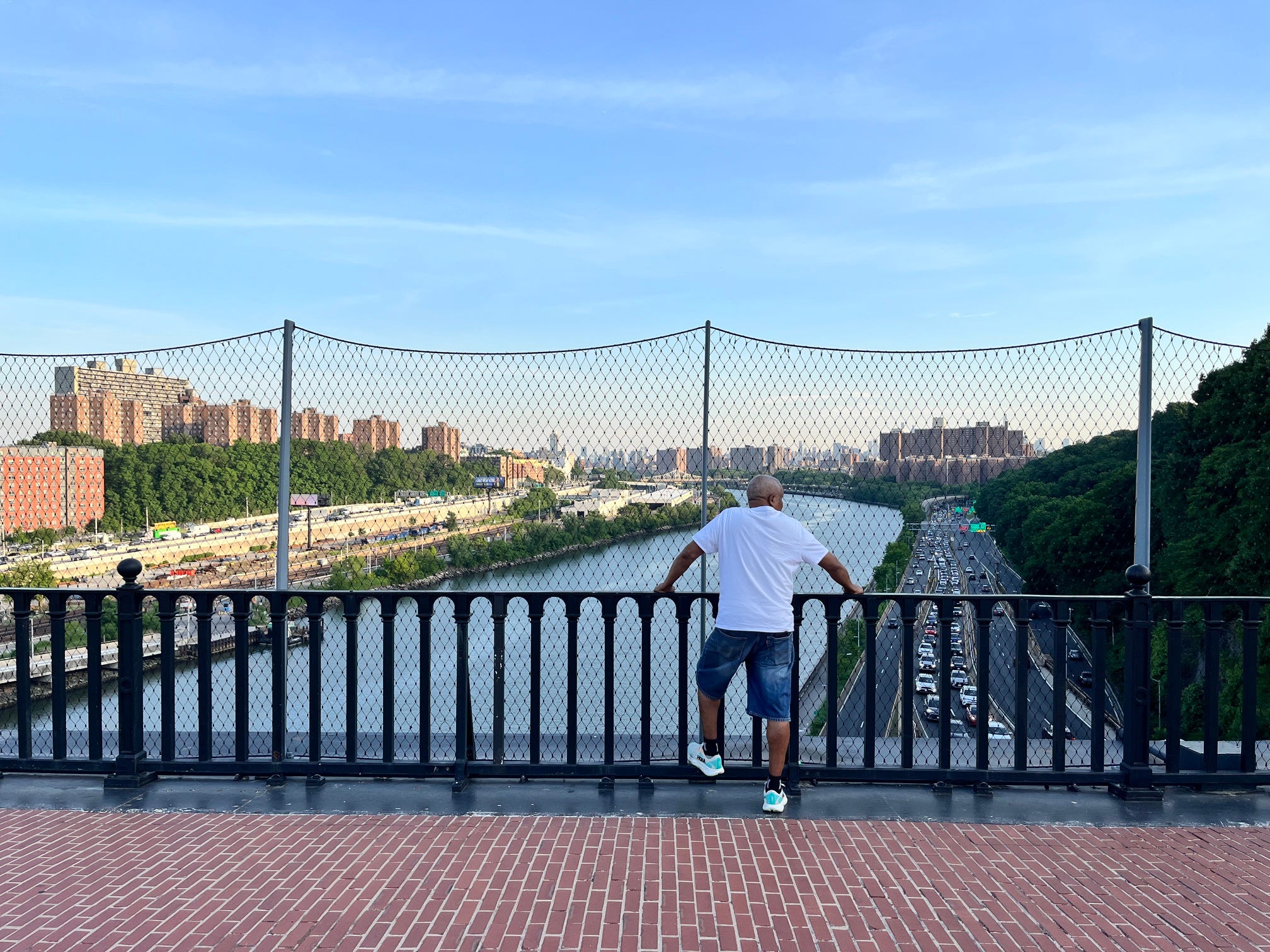
Surprisingly, only a small handful of people were enjoying the High Bridge when I got there, just in time for sunset. A cyclist here, a scooter rider there, and an older couple who appeared to be walking home from a grocery store trip. I wondered if they were so adjusted to the beauty of the Harlem River or the canyon that it no longer inspired a mid-bridge stop to gaze down at the water and at the nearby spires of Midtown. But when I reached the stairs on the Manhattan side of the bridge, I saw a lone gentleman to my left who appeared more humbled by the natural environment. He stood beside the fencing, looking out toward the skyscrapers. I was tempted to approach him and make a comment about the glow of the magic hour, in hope that this might spark a conversation between us about the bridge, the canyon and his familiarity with them.
But I decided to leave him alone—for the same reason why many of us acknowledge fellow backcountry hikers with little more than a quick, friendly nod. When someone is clearly having A Moment with a wondrous landscape, why disrupt that? In a densely populated, pavement-heavy city like NYC, finding those moments can be challenging.
And yet, they’re out there. If you know where to look for them.
Also, I love the picture of the fire hydrant spraying that car, which I hope had its windows open and got flooded…it was parked in the bike lane.
https://www.riverhistories.org/harlem-river
The Harlem River was essentially man made.