
The Maine Inferno
Recognizing the signs of heat exhaustion on a summer hike

Late June in New England is playing out with uncharacteristic mercy. Usually, around this time in summer, the region is positively dripping with humidity, to such an extent that stepping out of an air-conditioned car can instantly fog your glasses. But for the week ahead here in Boston, we’re looking at high temperatures in the upper 70s and low-to-middling dew points. It’s a meteorological blessing, but like our old Puritan ancestors—afflicted by superstition—I just can’t shake the feeling that this temperate week will be paid for in the near future with a procession of stupefying heat waves.
SO, as we enjoy the calm before the storm of summer’s toastiest months, I want to tell you about the time that I got clinical heat exhaustion in Northern Maine—so that you can have a more visceral sense of what symptoms to look out for if you’re walking on a particularly sweltering day this summer. Those of you who know me personally may have heard the abbreviated edition of this cautionary tale before, but the version that I’m about to spin here leaves little to the imagination, when it comes to what it feels like to experience heat exhaustion in the middle of a hike. It is not for the squeamish.
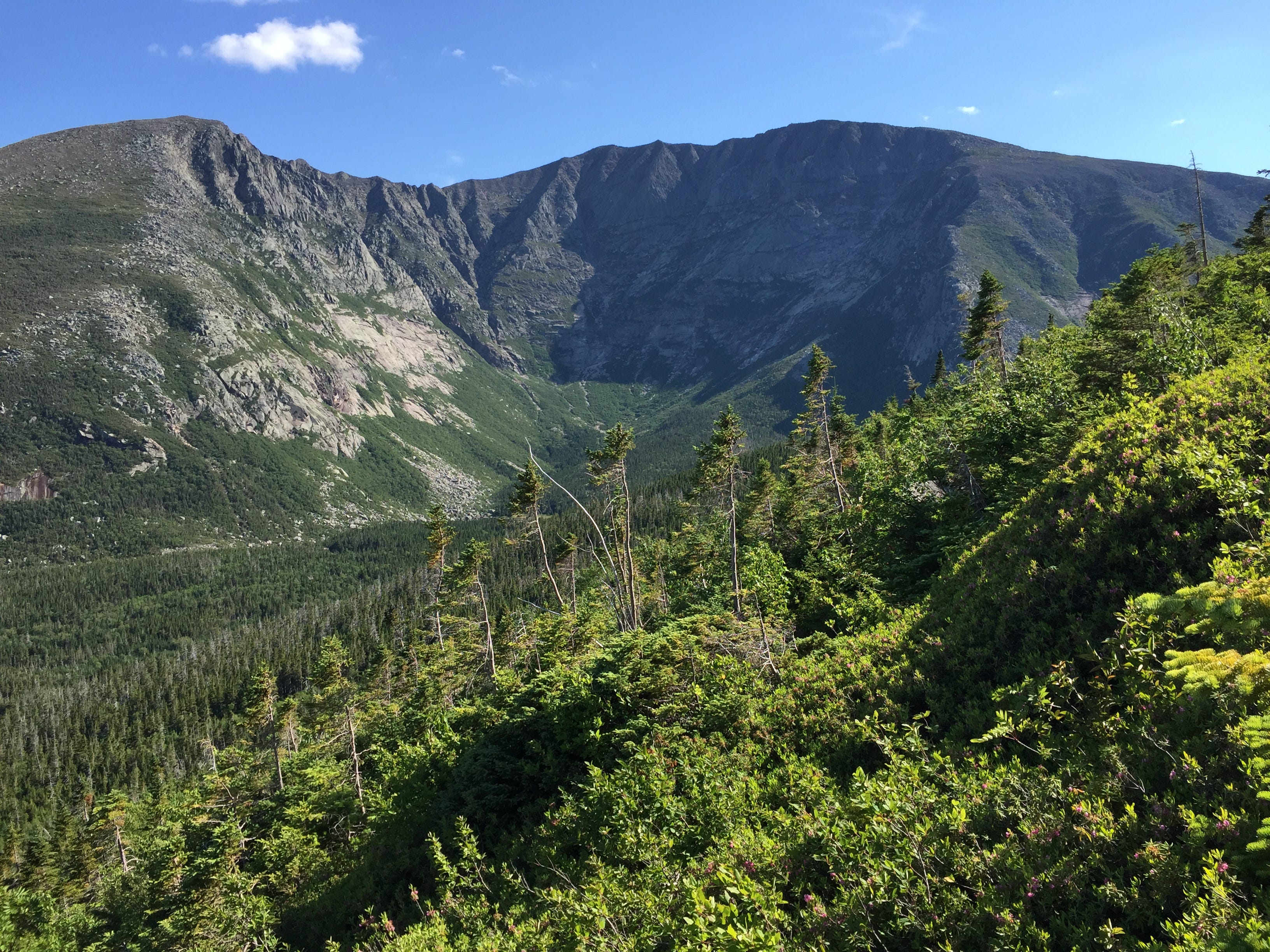
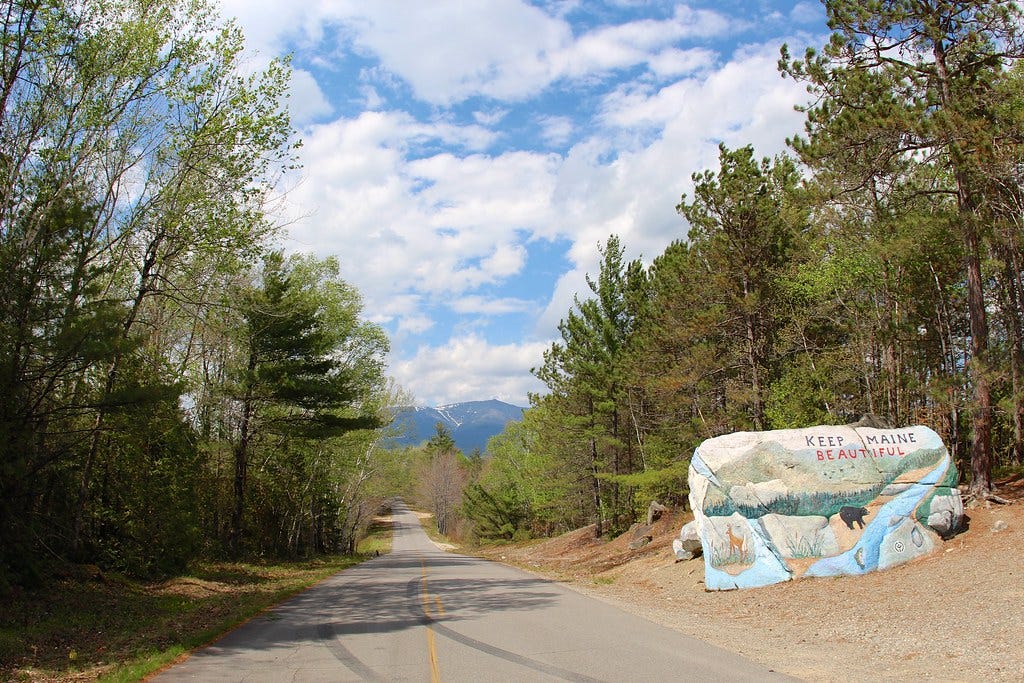
The year was 2018. All 12 members of the Wild Boars youth soccer team had just been rescued from a submerged cave in Thailand, along with their coach. France was on its way to claiming a second World Cup title, in a furious match with Croatia. And I was on my way to the spruce wilds of Baxter State Park with my friend Woody. Our mission was to climb Mount Katahdin, the highest peak in Maine and the northern terminus of the Appalachian Trail, by scrambling up boulder fields and iron ladder rungs affixed to certain ledges. We had secured all the necessary reservations: a trailhead parking spot at the Katahdin Stream Campground lot and a cheap campsite just outside of Baxter, on the grounds of an establishment that was promisingly called The Big Moose Inn. A 5:00 PM arrival at the inn left us plenty of time to set up our tents, cook dinner on the campstove, and crawl into our respective vestibules to power up for a 5 AM departure.
That’s when we heard the guitar.
It was a summer weekend and the woods around the Big Moose Inn were packed with fellow campers—one of whom had apparently just learned how to strum a G chord. It was impossible to drown out the reverberations of the acoustic guitar with earplugs, and to be clear, this musical interlude wasn’t a gentle, serenade-you-to-sleep melody in the vein of Neil Young. It was the sound of a person in the most elementary stages of getting acquainted with a guitar. A bright, incessant DING-A-LING-A-LING-A-LING.
The sun had been down for at least an hour before the guitar player got cooking, and after another hour, I heard Woody unzipping his tent; presumably to go and find the the guitar player, so that he could thump him over the head with a log. The music suddenly stopped, I heard the mumbling of Woody exchanging words with someone. 10 minutes later, the two of us were asleep, and oblivious to the rumbling in the sky.
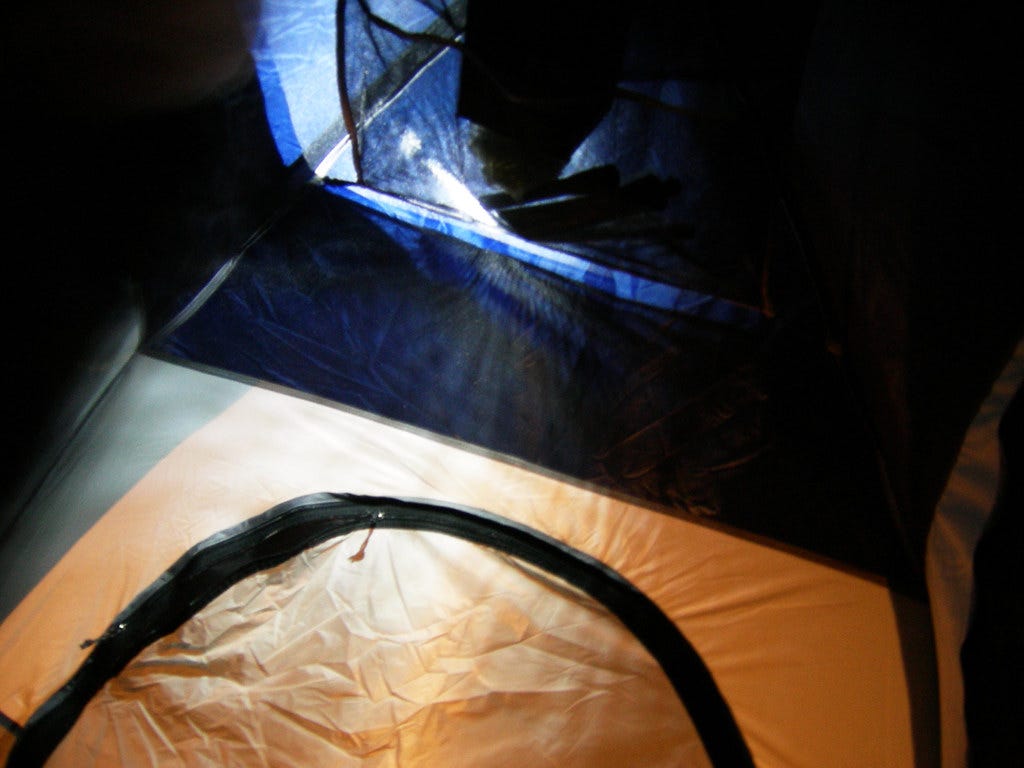
Somehow I managed to make it until 5 AM before stirring awake and feeling the inner ceiling of the tent dripping onto me, in the wake of a thunderstorm that had drenched the campground during the wee hours. Woody had been less fortunate, awoken in the middle of the night by water seeping into his tent. But even in a more sustained form of slumber, my dreams had been bad and I had tossed and turned amidst the muggy conditions. In the foggy woods, barely lit by dawn, the air was just as damp as all the spruce boughs overhead. The two of us were so haggard and deprived of proper rest that we could only communicate in grunts. When we finally got into Woody’s car and started forming words, we decided that we were not going to climb Mount Katahdin.
This was first juncture in a series of decisions that led me to the agony of clinical heat exhaustion. We had recognized that our compromised energy and the forecast for the day ahead—highs in the low 90s, with humidity near 100%—would turn Katahdin into a more dangerous venture than usual. Instead, we set out sights on a handful of trails at lower elevations. After all, we had driven nearly six hours from the Greater Boston area to Maine’s remote north woods. We weren’t going to spend the day putting our feet up next to a stream. But, in retrospect, that’s probably what I should have done. I was still driven by that traveler’s obligation to Do All The Things while out in the field.
And when the weather is nasty, that misguided compulsion can get you into trouble.
Woody and I ended up motoring around the east side of Mount Katahdin to Roaring Brook Campground, where we picked up the 1.9-mile trail to the top of South Turner Mountain, a comparably modest peak that looms 3,122 feet above sea level. This was where I made my second bad decision, donning a long-sleeved top in anticipation of gusty conditions and sun exposure once we broke through the treeline. But this top had a thin inner layer of fleece, subtle to enough to forget if you’re not thinking very carefully about your outfit. And after a shitty night’s sleep, I was not thinking carefully.
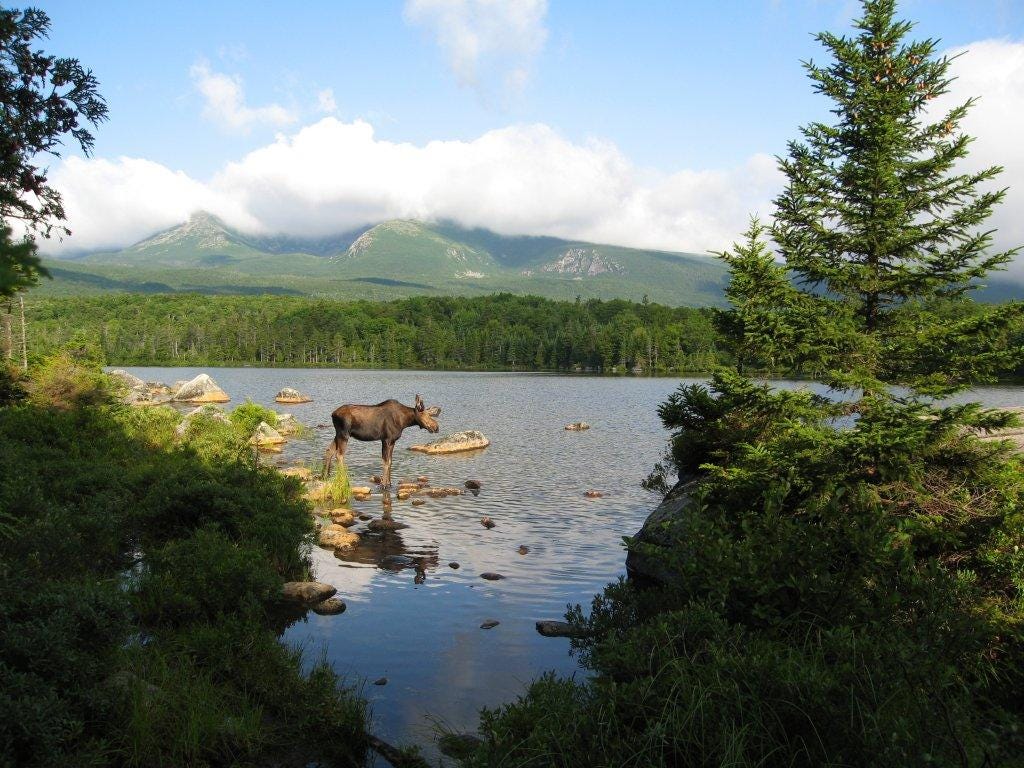
We spent the first hour in the steamy forest picking our way over boulders and across bog bridges on the edge of Sandy Stream Pond (which, by the way, is an outstanding venue for moose watching!) I was starting to feel less ragged, and as the trail climbed the slopes of South Turner Mountain on classic, New England-style stone stairs, I was feeling the restorative power of the sun flaring through the spruce trees. I started to get more excited about the view at the summit, which really allows to you to admire the titanic heft of Katahdin and its table-like ridgeline. But as we approached the end of the boreal forest, where the trail emerges from the trees and scrabbles up rocks to reach the peak, I noticed that I was having a rather difficult time catching my breath.
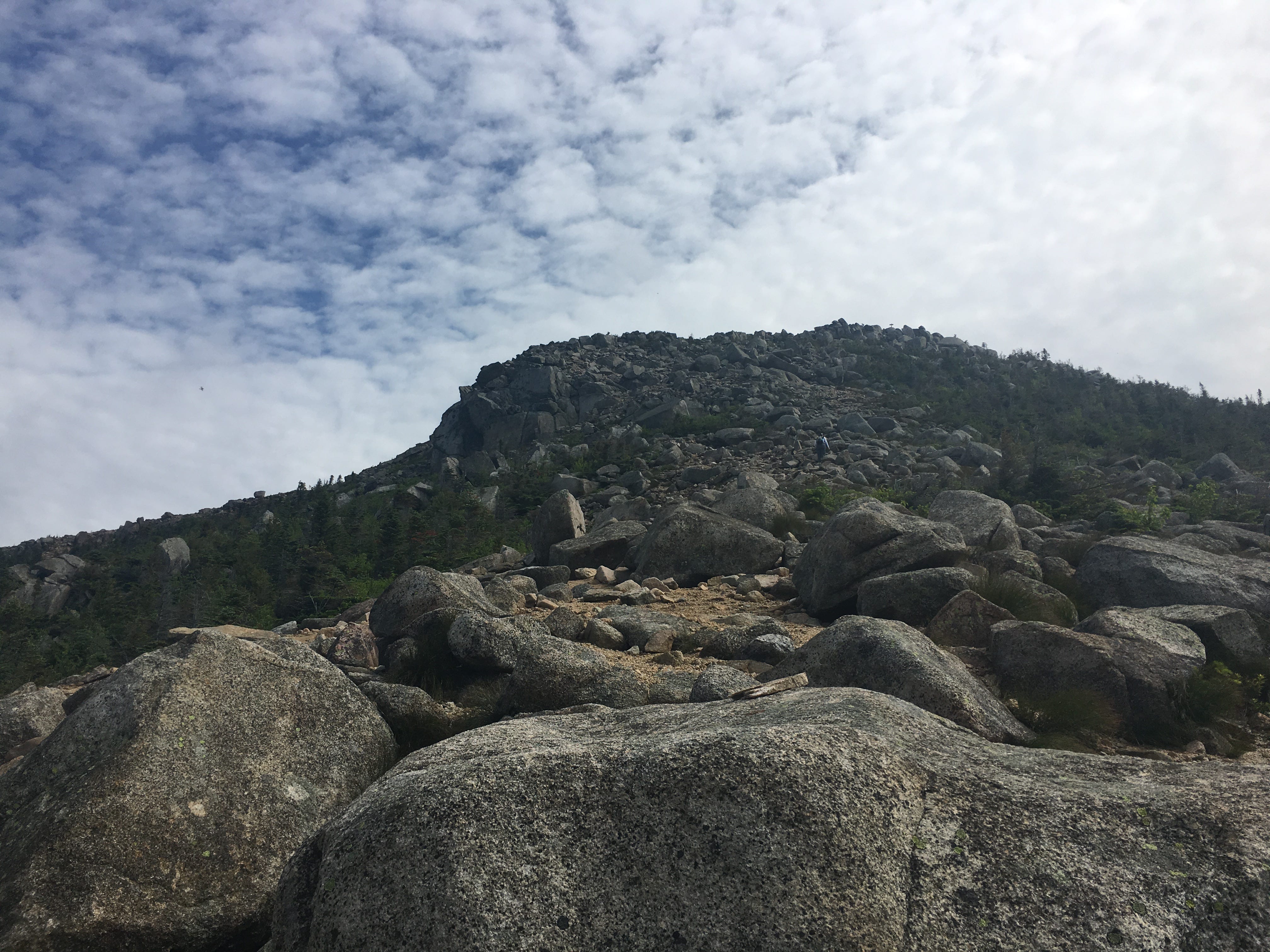
This was a new feeling for me. I’ve never had the lung capacity of an Olympic sprinter, especially when it comes to walking uphill, but until that hike, I had never struggled to catch my breath while stopping to take a rest. Worse yet, I was starting to experience dizziness as well. As Woody and I reached the treeline, I sat down on a rock to try and stabilize myself, which helped somewhat. Woody, noticing that I was struggling, asked me how I was feeling. This was where I started to suspect that the heat and humidity had sapped my strength. Humbled by the elements and not wanting to risk worsening symptoms for me—or emergent symptoms for Woody—we turned around and bailed.
No longer struggling to take in new air, I started to recover as we carefully made our way back down the trail. My breathing trended toward regular, and the dizziness had subsided. By the time we reached the car again, I felt more or less like myself, and the prospect of finding a place where we could wade into some running water and cool off lifted my spirits. Still, I was sweating so hard that my clothes would have produced liquid after multiple wringings, and I grimaced at the thought of losing so much water and electrolytes over the course of our short hike. So, without thinking much about it, I grabbed a bottle of Gatorade that I had left in the car, twisted it open, and chugged about half of it—forgetting that undiluted Gatorde is loaded with sugar and minerals.
20 minutes later, as Woody carefully drove us down the winding and rock-riddled park road, a wave of nausea slammed into me with such force that all I could think to do was unbuckle my seatbelt and grope for the handle of the passenger door. I couldn’t muster a vocal response when Woody asked me if something was wrong, and I don’t think the car had stopped moving when I flung myself out of the door, crawling on all fours to the grassy shoulder of the road. That’s where I started to vomit harder than I had ever vomited in my life. You know those moments when you’re overwhelmed with quiet amazement in what your body can do? Like spontaneously running six blocks in 90 seconds after you stumble across a skunk? Or pulling off a complex yoga stretch with a name like Concerned Bullfrog for the first time? That’s pretty much how I felt in that moment on the road; stunned by how much stuff had been inside my stomach.
Now, let’s break this down in a more itemized way. By the time Woody had driven us back to the Big Moose Inn—where we sprang for an upgrade to an air-conditoned room—I was barely able to talk. Lying in bed, oscillating between delirium and semi awareness of Woody bringing me a cup of water, feeling like I might spill my guts all over again, I had arrived at the logical outcome of the folllowing unwise decisions:
1. After a wretched night of sleep, feeling crappy on a day with a punishingly hot weather forecast, I had still clung to the agenda of summiting a mountain; instead of a gentler, low elevation hike, or even taking the day off from hiking.
2. When setting off on the hike, operating with compromised brain power, I chose an outfit that was unsuitable for hot and humid conditions of the day.
3. Upon experiencing shortness of breath, dizziness, and profuse sweating—all of which are hallmark symptoms of heat exhaustion—I didn’t immediately stop. I kept pushing through them until Woody and I arrived at the mountain treeline.
4. After descending South Turner Mountain and allowing my body a chance to start recovering, I introduced a new shock: that surge of undiluted Gatorade.
By midafternoon, I hadn’t shown any signs of improvement, and the limited Wi-Fi and cellular reception in the area made it hard to Google “when does heat exhaustion start to become heat stroke?” One of the telltale signs—which I was displaying—is slurred speech. Profound disorientation, like being unsure of where you are in the moment, is another worrying signal. If your internal temperature has reached or surpassed 104°F, that’s another sign that what began as heat exhaustion is turning into something far worse. But perhaps the starkest symptom of heat stroke is the absence of sweat. It’s such a severe failure of your body’s cooling mechanism that the skin becomes drier, and hotter to touch. The presence of any of these symptoms is worthy of a trip to an urgent care clinic or emergency room. And that’s where Woody and I went at 4 PM.

Instead of ending the day with an ice cold IPA at one of Millinocket’s bars, I ended up with a chilled bag of saline hooked up to my arm at the Millinocket Regional Hospital. The physician’s assistant who took care of me us exceedingly kind, and after two or three hours of hydration, I had regained enough strength to walk into his office with Woody and check out some satellite maps of canoeing routes in the Allagash that he suggested we try exploring on a future trip to Northern Maine. The PA also mentioned that I was the fourth person that the hospital had treated for heat exhaustion that day. And while Woody and I did eventually make it to a local pub, where I nursed a bowl of chicken noodle soup, I wondered if midsummer heat exhaustion that requires clinical interventions is one of those seasonal things that we tune out…until it happens to us.
The list of normalized season hazards here on the east coast is long and painful, from slipping on ice and shattering a bone, to picking up Lyme disease from a deer tick, as I wrote about last week. But heat exhaustion and its deadly doppelganger, heat stroke, transcend regions. High temperatures and high humidity—which renders your sweat far less effective as a cooling device—can yield one of the most sickly days of your life. So, I hope that sharing my disastrous day in Baxter State Park can shed a little light on what to avoid doing when it’s hot and muggy outside, and what you should do if the warning signs of heat exhaustion start materializing when you’re out in the field. The author Jack Gantos once wrote that “a writer’s job is to turn his worst experiences into money.” For me, knowing that you avoided heat exhaustion would feel like a windfall.
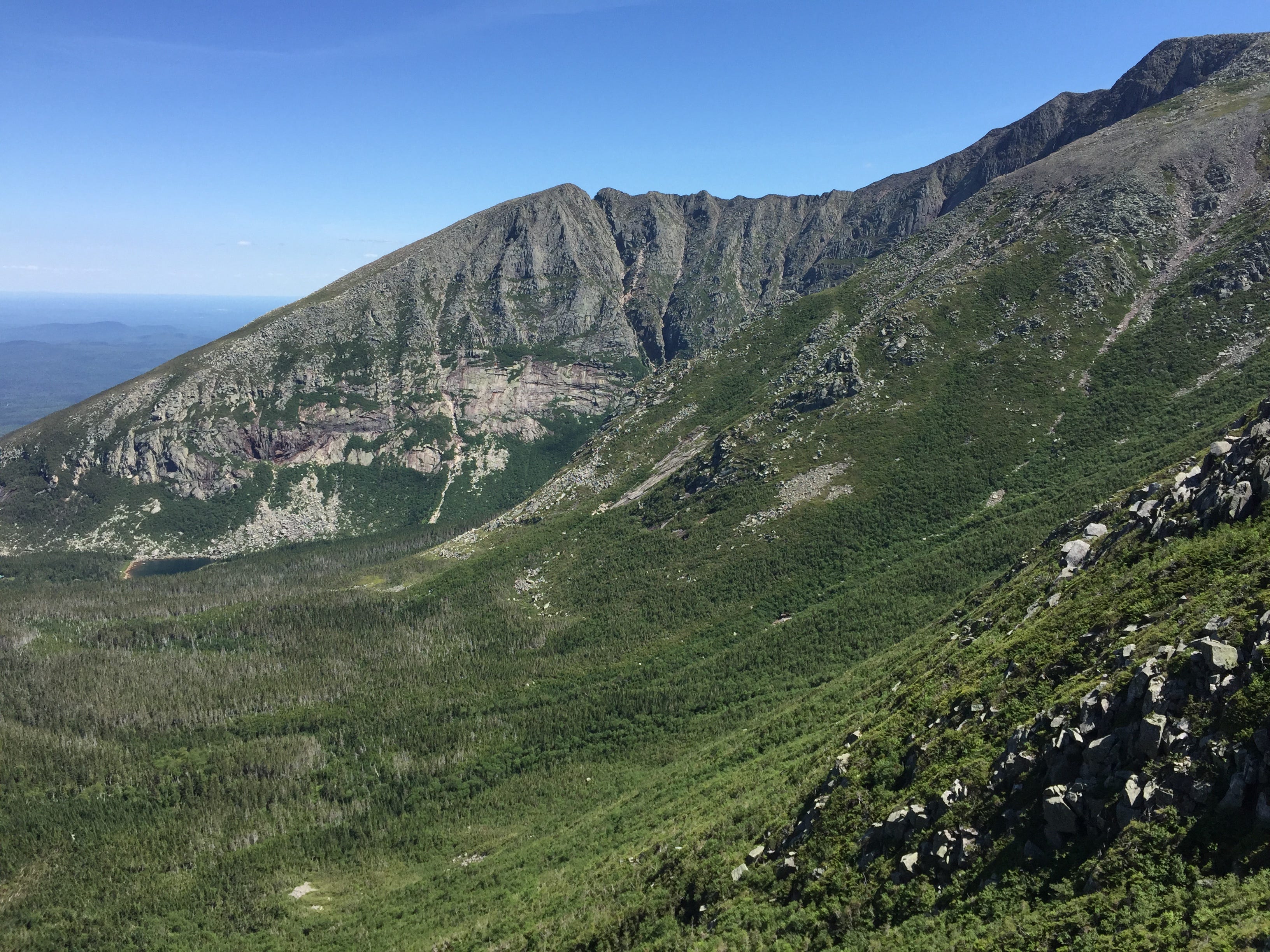
Oh, and in case you’re up in Baxter State Park on a less grueling summer day…
South Turner Mountain via the Sandy Stream Pond Trail
Hike distance: 3.8 miles out-and-back
Elevation gain: 1,597 feet
CLICK HERE for a trail map
CLICK HERE for the Baxter State Park website