


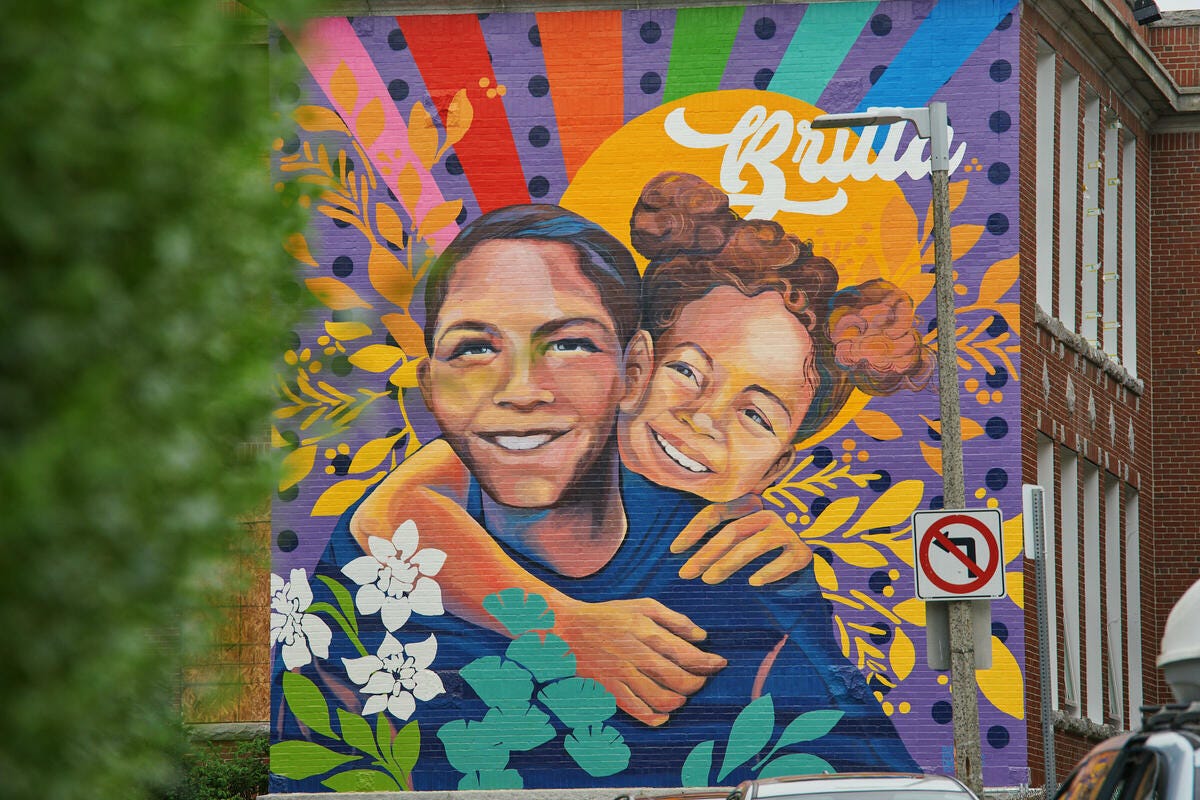
One of my favorite things about end-of-the-year retrospectives is how they can shine light on things that we inexplicably walked past—multiple times—between January and late December. Last night, I led about 30 Boston residents and visitors on a hike through the shaggier west woods of Franklin Park, and as we approached our final destination (the great Drawdown Brewing), one of the hikers pointed to a gorgeous mural at the intersection of Granada Park and School Street that I had never seen before. It was a beautiful piece called BRILLA, from the artist Silvia López Chavez, and despite turning from School onto Granada too many times to count, I had missed the mural. Why? Probably because when I made the turn, I was anticipating the similarly gorgeous flowers at Chilcott and Granada Community Garden, just a few steps ahead.
I would like to think that revisiting a newsletter with the heft and frequency of Mind The Moss might offer similar belated “discoveries” for some of you. Especially if you’ve been receiving the newsletter on a weekly basis for a year or even longer. Inevitably, we miss things in the landscape, and that’s why I love re-reading books that stirred something inside me, or movies that I couldn’t stop thinking about after the initial screening. (If you saw and enjoyed One Battle After Another, watch it again and pay close attention to Avanti, the bounty hunter.) So to celebrate the fifth winter of Mind The Moss, I’ve combed through the archives and identified the 10 most widely-read stories of 2025. There were some surprises here, which left me feeling vindicated for taking the newsletter in some weird or risky directions at times. Thank you for that!
Now—without further ado—here are the Top 10 Mind The Moss stories of 2025:
#10: Meet me at Lantern Hill
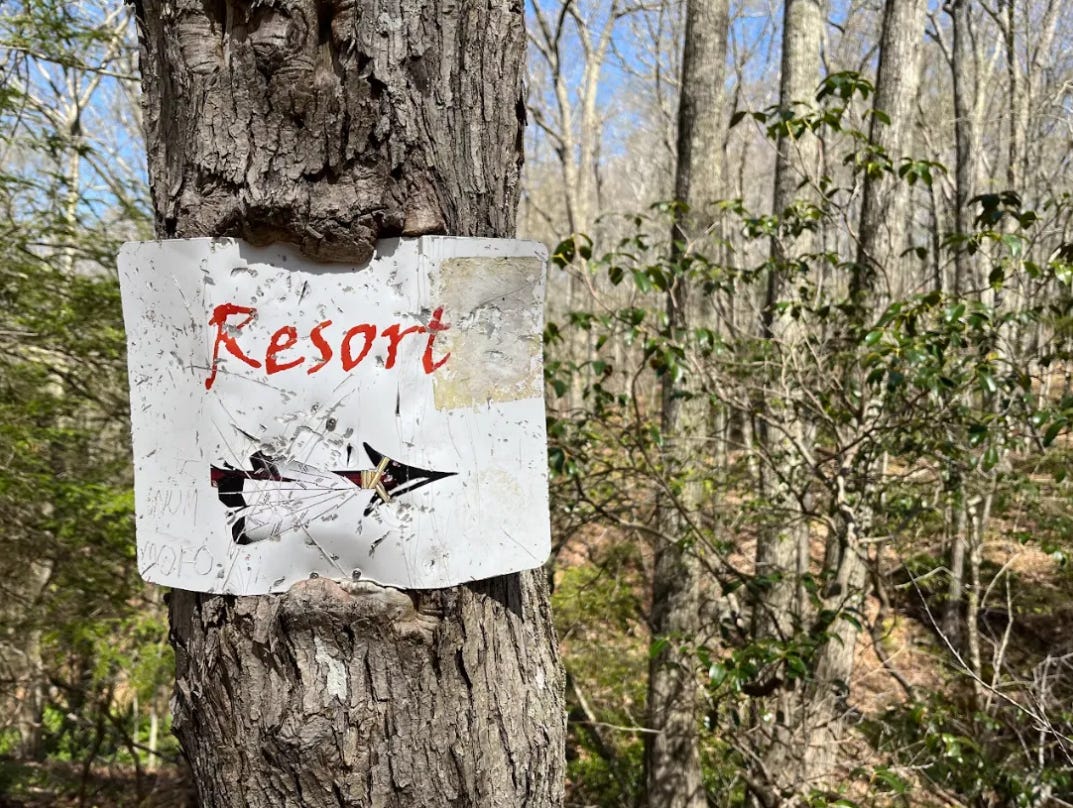
Sometimes, I start writing a newsletter and I wonder, “How many people are actually going to follow me down this path?” I wasn’t sure how a story about the little-known woodland trails around Foxwoods—and the idea of trails as an escape hatch from our gambling addictions—would register. But apparently several of you were just as intrigued by the so-called Pequot Trails as I was when I went down there back in April to climb Lantern Hill itself. The view of Foxwoods’ blue-and-white citadel, which is owned and operated by the Mashantucket Pequot Tribal Nation, is worth the rock scrambling once the snow melts next year. And hey, if you do end up following some of the trails to the casino itself, remember: A bit of analog gambling once in awhile is part of American life. Just try to remember the rustling world outside of the building.
#9: Weekend hike at Bernie’s
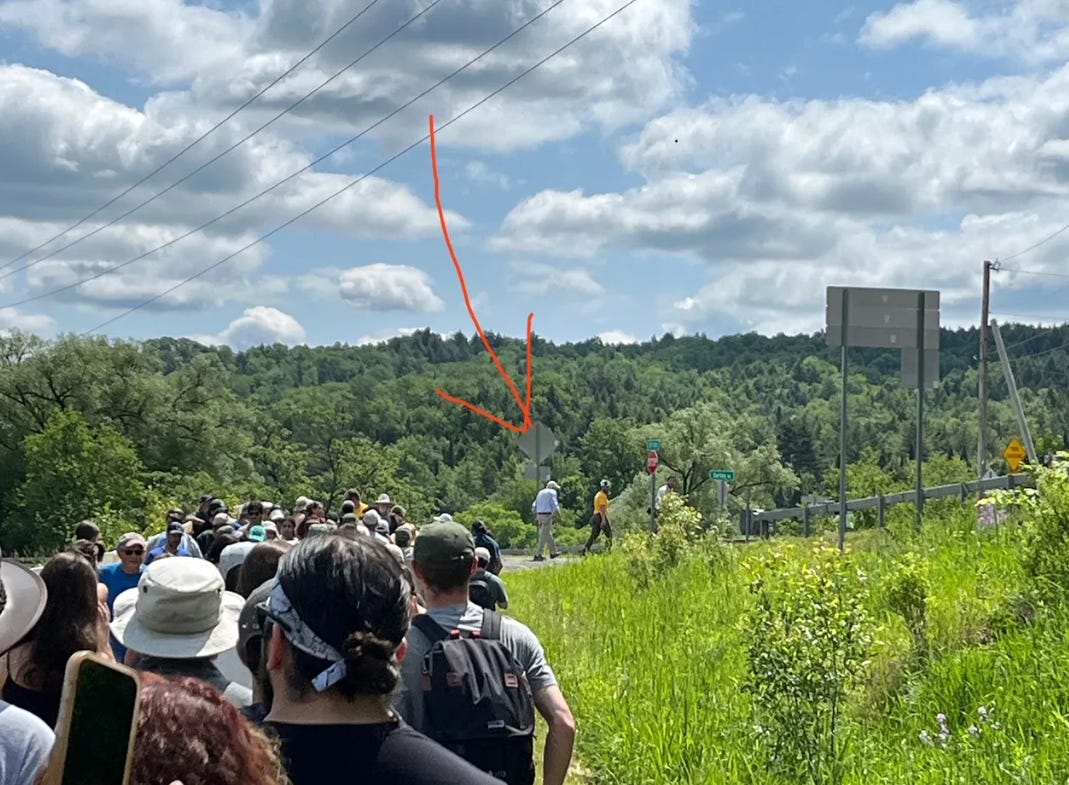
I can’t say I was surprised that a story about going on a community hike with Bernie Sanders in Vermont’s Northeast Kingdom proved popular. But I do have to wonder if any elected officials or political staffers read this particular story. Because there’s kind of a brilliant idea at the heart of it; especially for politicians with star power. You put out the word that you’re leading a local hike, in lieu of a town hall. You use your star power to get people through the door. Then, once the hike has begun and the masses are moving, you pull an Irish Goodbye and slip into a vehicle staged along the route. That’s what Bernie did on that toasty Saturday morning in June. He tricked us into spending time walking and talking with each other. And we were all better off for it.
#8: Collecting snails
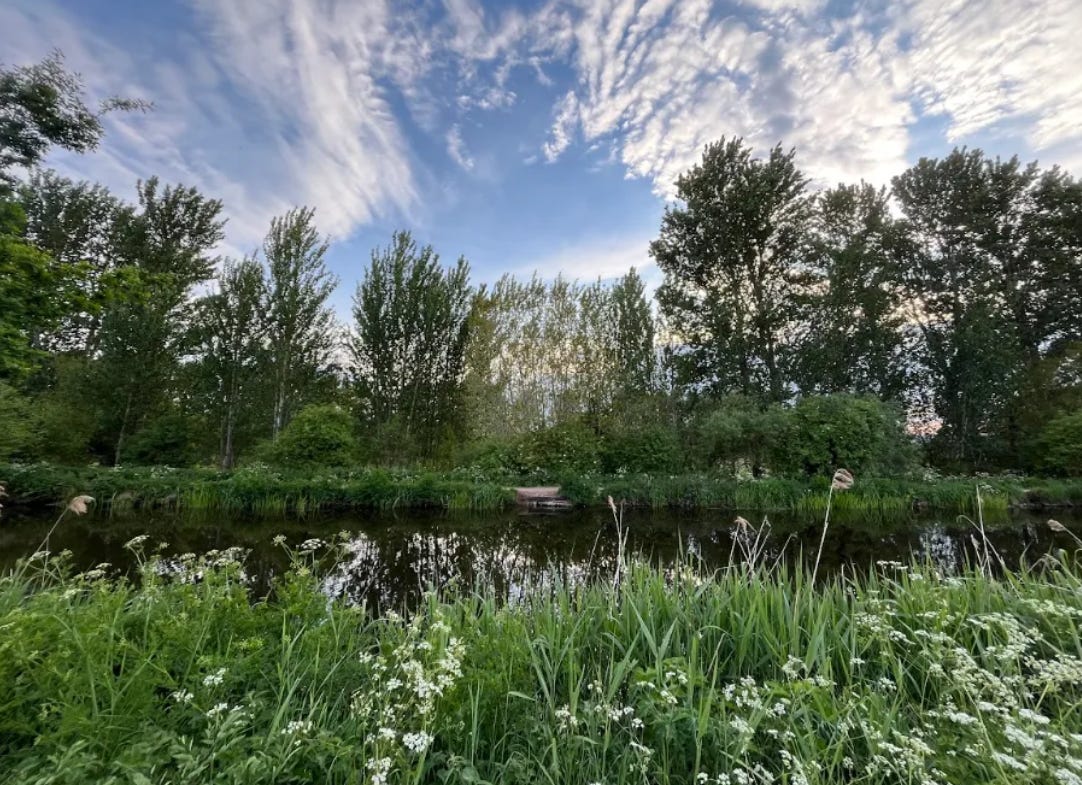
On the special occasions when Mind The Moss ventures overseas, I’m mindful of the risk involved. It’s very easy to write something that feels more like a vacation diary to audiences. But I had a feeling that the genius of the Slow Ways project—a grassroots effort to map walking routes between every town and city in the U.K.—would resonate with many of you. I mean, how do you hear a pitch like that and not get all tingly and starry-eyed? In the last two years, I’ve found two ways to get over there and explore a few of the 10,000+ routes that Slow Ways adventurers have created. (I recently wrote a big story about one of these rambles for the fifth issue of ORI magazine.) And here’s the thing to remember: more Slow Ways are being proposed! And they’ll need testing.
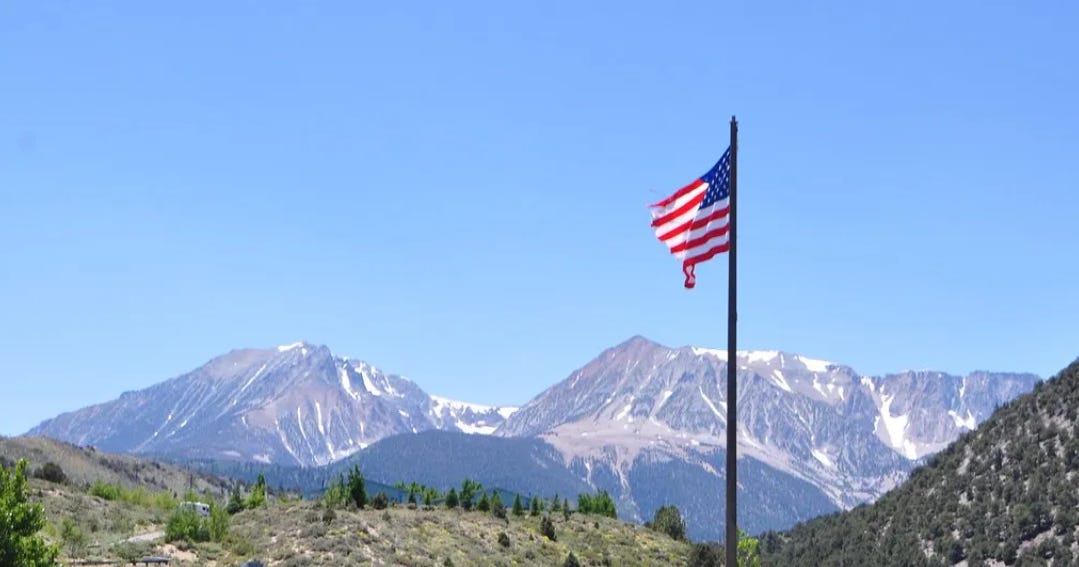
#7: Written on the mountains
As several of you will remember, Mind The Moss went through an evolution last year; expanding from a more nuts-and-bolts “Unusual New England Hiking” newsletter and wading deeper into the intersectionality between politics, culture, and the oudoors. In February, National Park Service employees suspended an upside-down American flag from Yosemite’s El Capitan—in protest of the Trump administration slashing the NPS budget and firing a ton of NPS workers—and the outdoor recreation community took notice. This was a moment that starkly demonstrated how access to the outdoors is inherently political. (A reality that a lot of people deny or overlook.) And now, with no end in sight to the austerity and Trump’s more recent dick move of revoking free entry to National Parks on Juneteenth and MLK Day, the ground is seeded for more protests.
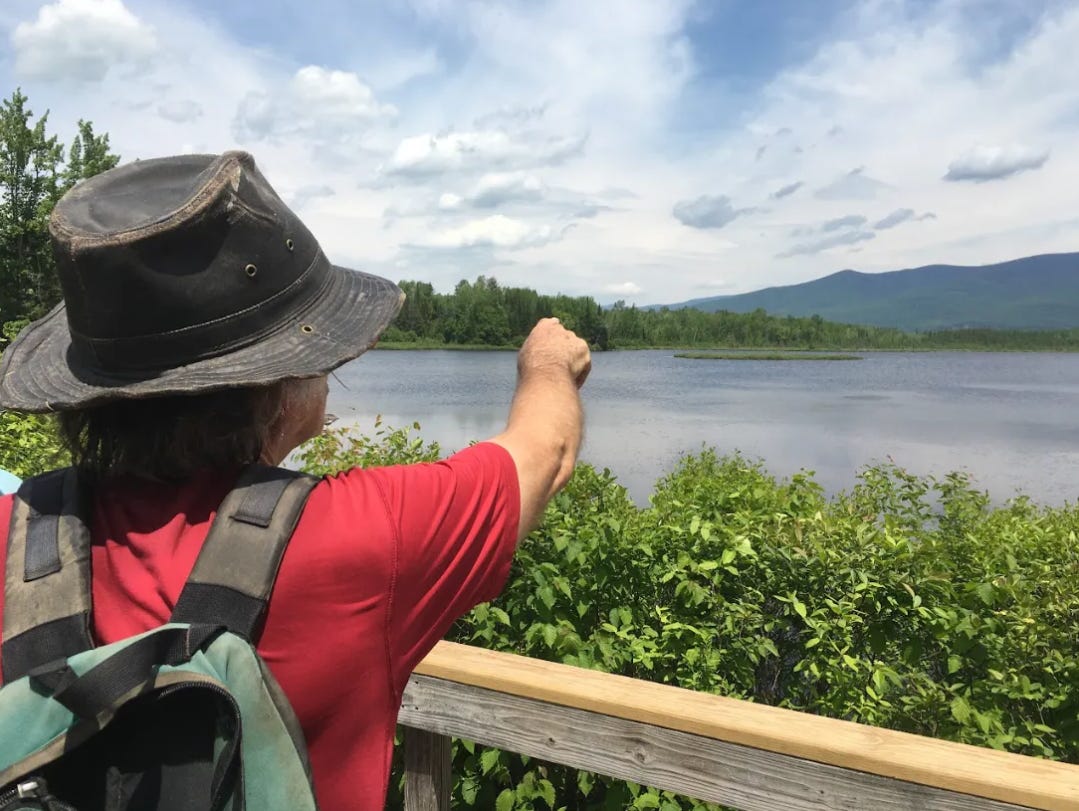
#6: Punked by a pond
Now here’s one of those stories that you could probably never get published in one of the mainstream outdoor adventure magazines—a love letter to ponds that can kick your ass. Using Rhode Island’s Long Pond as the backdrop, I wanted to illustrate how suffering to reach a natural landmark that we associate with tranquility and peace can actually make the “reward” even more humbling and serene. I wonder if a few of you have been punked by a pond too. If so, I’d love to learn about some of the ponds that destroyed you. I need ideas for where to take cocky hiker friends visiting from Boulder.
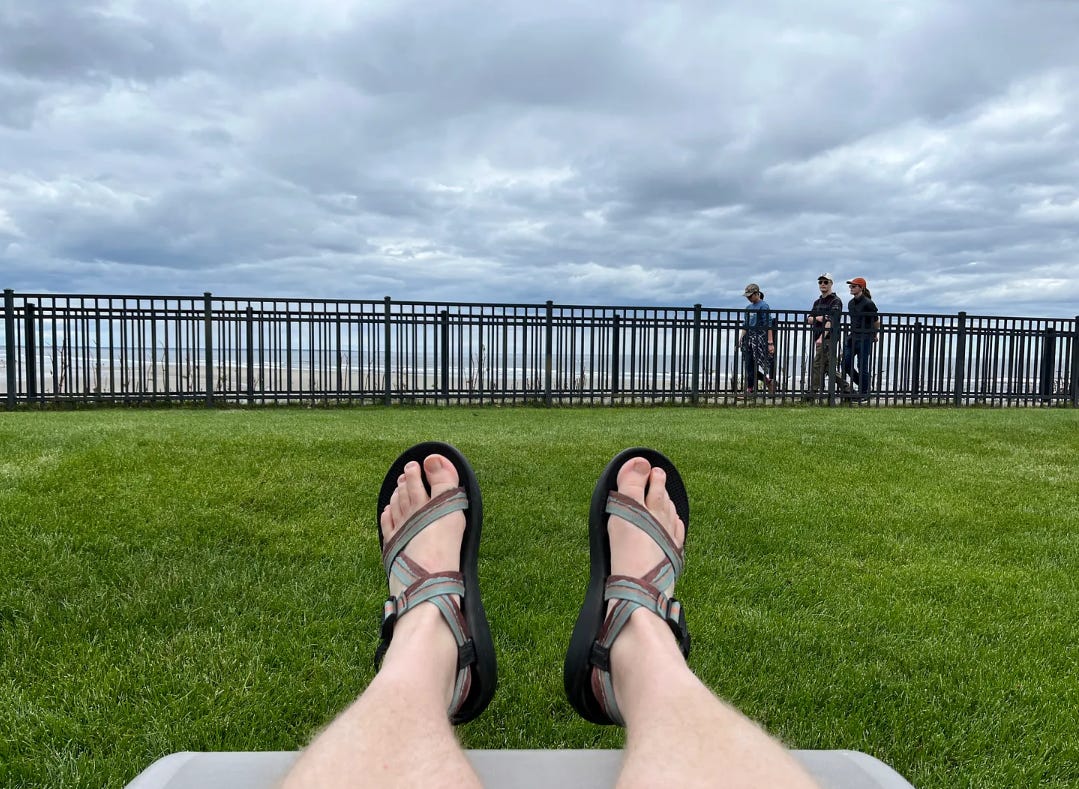
#5: Marginalized
I used to bristle at the old Robert Frost chestnut which tells us that “good fences make good neighbors.” And then I took a walk on the Marginal Way of Ogunquit Maine—a seaside path with continuous fencing on one side, to keep walkers from traipsing onto the lawn of a resort or a mansion. Paired with fences on the other side of the path (to prevent people from tumbling down cliffsides toward the rocks and the water) the Marginal Way can feel like a corridor built for livestock. But here’s the thing: Maine is one of the few states where you can own the full extent of a beach, all the way down to the low tide line. And the Marginal Way, for all its limitations and scenic wonders, is a rare, successful example of what a public path through privatized land can look like.
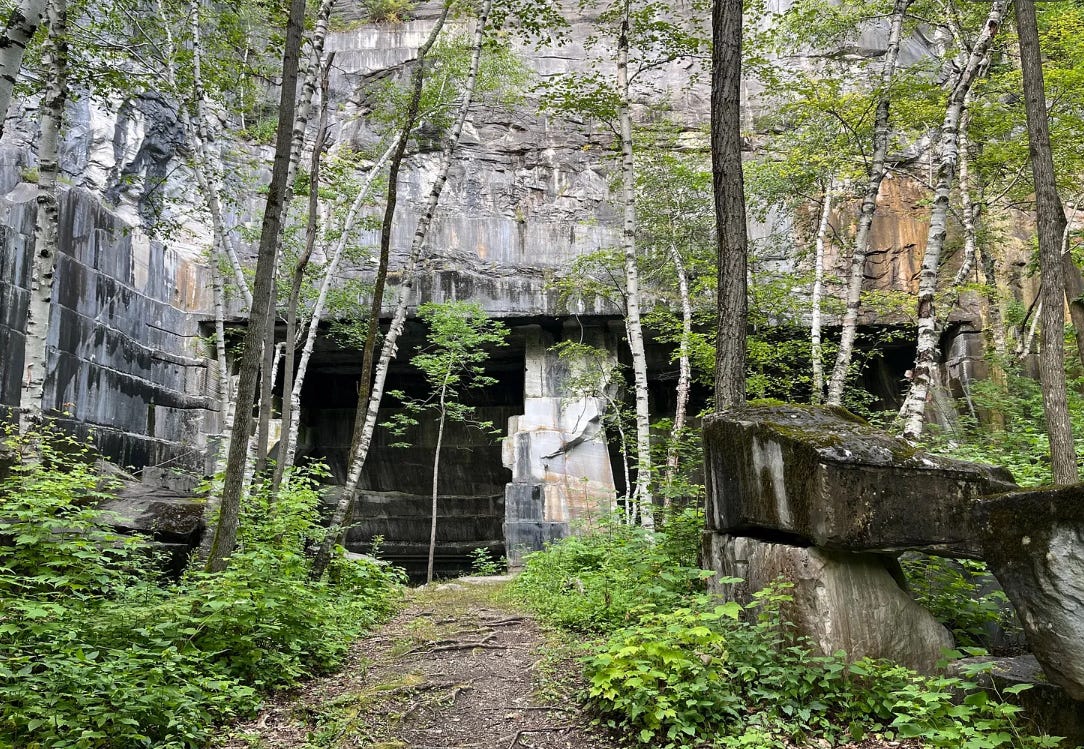
#4: When you break a mountain
Climbing up to the old white marble quarry in Dorset, Vermont—where raw material for the Gettysburg National Cemetery tombstones was harvested—had been a bee in my bonnet for a few years. I expected to be wowed by the place in a visual sense, but what surprised me about the quarry was how palpable the shadows of history felt up there; in the same way that visiting the legendary Carrara marble quarries of northern Italy might conjure visions of the old anarchist laborers waging strikes after suffering too many workplace deaths. Or luring fascist soldiers into the quarries during World War II and dropping marble blocks onto them. This story was inspired by the news of Trump’s ballroom and all of the gold that will be needed for the interior. Where does that come from? And what impression does it leave on the landscape? Time will tell.
Due to Substack’s email size limitations, the Top 3 Mind The Moss stories of 2025 will be revealed tomorrow in a followup newsletter! Until then, enjoy this old banger by Cerrone.
Thanks, Miles. For two things. One – caring about typos. I am a bit of a schoolmarm about newsletter typos. But it really undermines the voice and authority of the author for me. The other thing that does that is having a substack read by an automated reader That misreads/mispronounces words. Even the New Yorker allows this to happen and it makes them unlistenable to me. So, two — thank you so much for reading your own. [Agh! Had to edit out my own typos, after sending prematurely trying to scroll to the bottom of my comment!!]